Boxabl Site Prep & Utilities: The Sacramento Owner’s Guide
Boxabl site prep and utility work in Sacramento typically runs $22,000 to $48,000 depending on your lot’s existing conditions, utility tie-in distances, and soil type. Most residential installs we handle are complete within 2 to 4 weeks once permits clear. If you’ve bought a Boxabl and discovered your lot isn’t actually ready for delivery, or your existing utilities were roughed in wrong and your unit isn’t getting proper power, water, or sewer service, this is the page that explains what went wrong and what it costs to fix.
We see this most often with homeowners who purchased a Boxabl Casita directly, had a general contractor “handle the site work,” and then found out after delivery that the foundation tolerances weren’t tight enough, the electrical service was undersized, or the sewer lateral wasn’t positioned where Boxabl’s connection points actually are. It’s fixable, and honestly, it’s usually faster to correct than people expect. But you need someone who knows Boxabl’s specific site requirements, not just a general concrete guy.
Lodgewick ADU Sacramento is an independent service provider. We are not affiliated with Boxabl, but we’ve done enough of these installs across the Sacramento region that we know exactly what their units need before the truck ever shows up.
Which Boxabl Models This Applies To
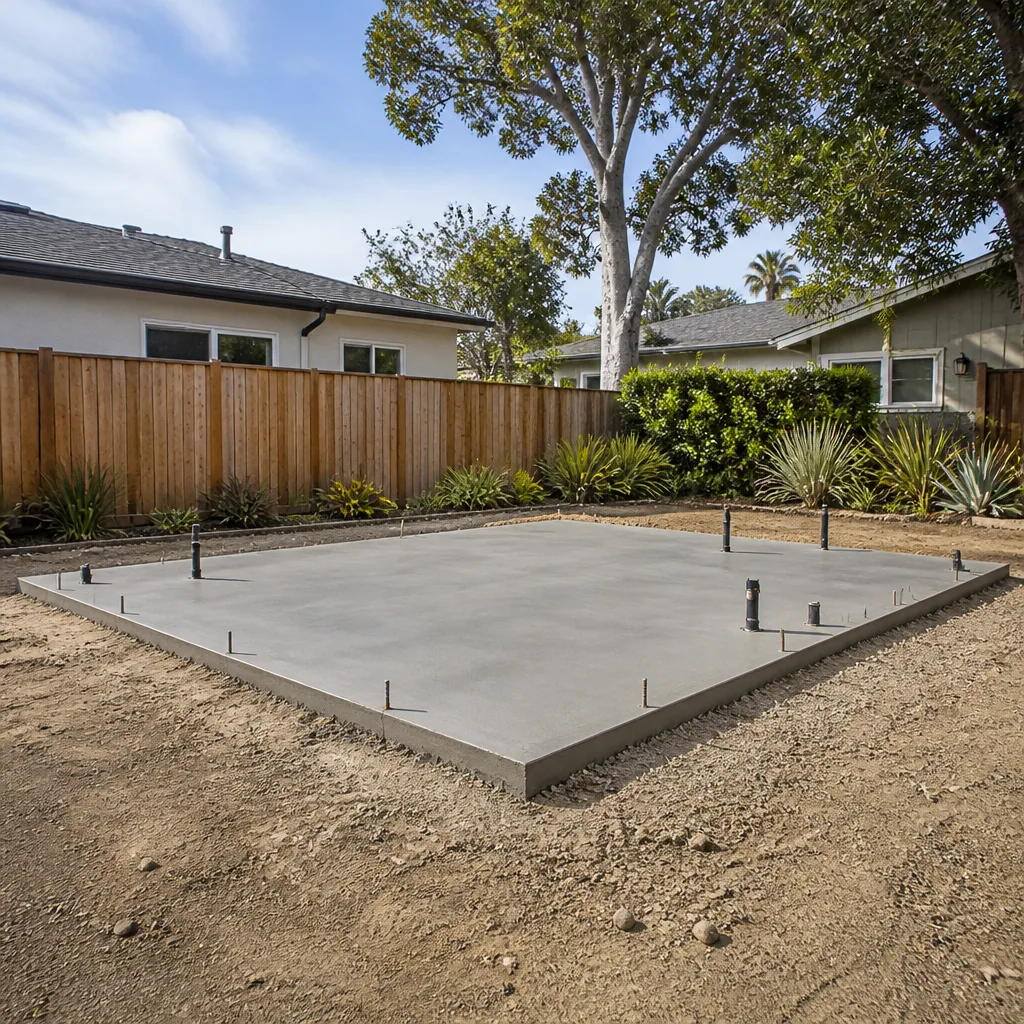
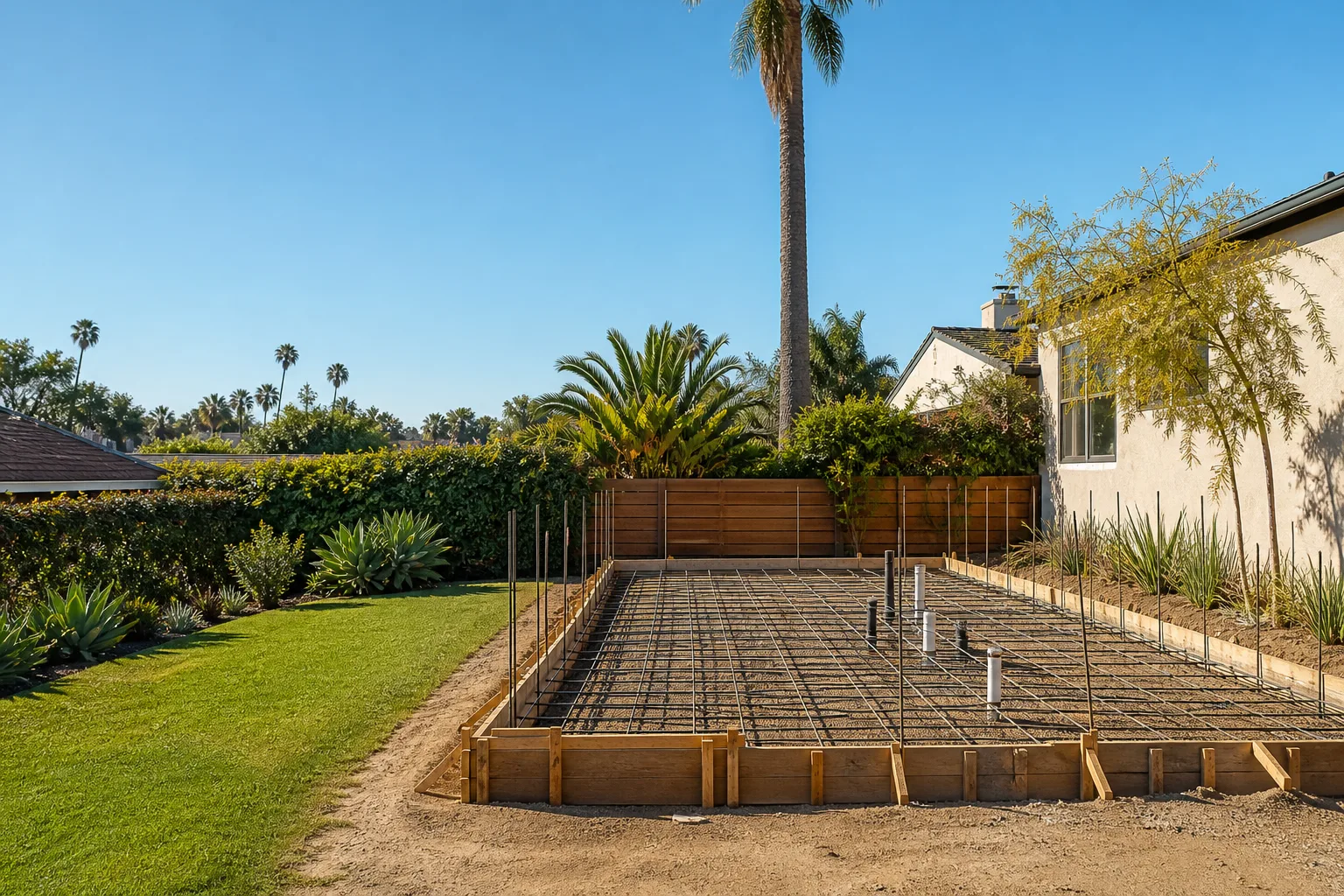
The Boxabl Casita is the model we work with most often in Sacramento. It’s a 20-by-20-foot folding module that arrives on a flatbed and unfolds on site. The site prep requirements are consistent across Casita variants: a level concrete pad or engineered slab with a tolerance of 1/4 inch over 20 feet, a 100-amp electrical service minimum, a 3/4-inch or 1-inch water line depending on supply pressure, and a 3-inch or 4-inch sewer lateral positioned to match the unit’s under-floor connection points.
Here’s the compatibility gotcha most Sacramento owners don’t know until it’s too late: Boxabl’s utility connection points are located on specific sides of the unit after unfolding. If your sewer lateral or water line was stubbed in based on where the truck parks rather than where the unit unfolds to, you can end up with a connection that’s 8 to 12 feet away from where it needs to be. That’s a trenching job, and it’s not the kind of thing you want to discover on delivery day. Same goes for the foundation: Boxabl’s spec is tighter than typical shed-pad work. A pad poured to “close enough” standards will show a door bind or a wall seam gap within the first Sacramento summer.
For OEM versus aftermarket: there’s no meaningful aftermarket for the foundation itself, concrete is concrete, but the quality of the forming and finishing is what you’re paying for. For electrical panels and disconnects, we use Eaton or Square D equipment that meets Boxabl’s specs. For water and sewer, it’s standard Schedule 40 PVC and PEX run to code. The “OEM” label matters less here than it does for interior components. What matters is that whoever does the work has read Boxabl’s actual site-prep guide, not just a generic ADU checklist.
Signs Your Boxabl Site Prep & Utilities Is Failing
Site prep and utility failures tend to show up in specific ways. Here’s what Sacramento owners call us about most:
- Doors and windows binding or sticking. This is almost always foundation movement. Sacramento’s clay-heavy soils expand and contract through wet winters and dry summers, and a slab that wasn’t poured to Boxabl’s tolerance will telegraph that movement up through the unit. The fix is usually slab leveling or, in worst cases, a new pad with proper compaction beneath.
- Circuit breakers tripping when the mini-split runs. We see this when the electrical service was sized for a “tiny house” mindset, 60 amps, when the Casita actually needs 100 amps minimum with the heating and cooling loads it carries. Undersized service means constant trips in summer when Sacramento hits 100-plus degrees.
- Sewer smells inside the unit. This usually points to a lateral that wasn’t bedded properly or is pitched wrong. Sacramento’s flat terrain means a lot of lots need careful slope work to get drainage moving, and a rushed sewer rough-in is one of the most common failures we correct.
- Low water pressure at the kitchen faucet. If your water line was under-sized for the distance from the meter, you’ll notice it most at fixtures farthest from the tie-in. The Casita is compact enough that pressure loss inside the unit is rare, so the culprit is almost always the supply line or the pressure regulator.
- Water pooling at the base of the unit after rain. Sacramento gets real winter rain, not just the “it never rains here” version. If the pad doesn’t have proper drainage slope away from the unit, or if gutters were never installed, water will find its way under the base plate and start doing damage you can’t see from outside.
Replacement Cost & What’s Included
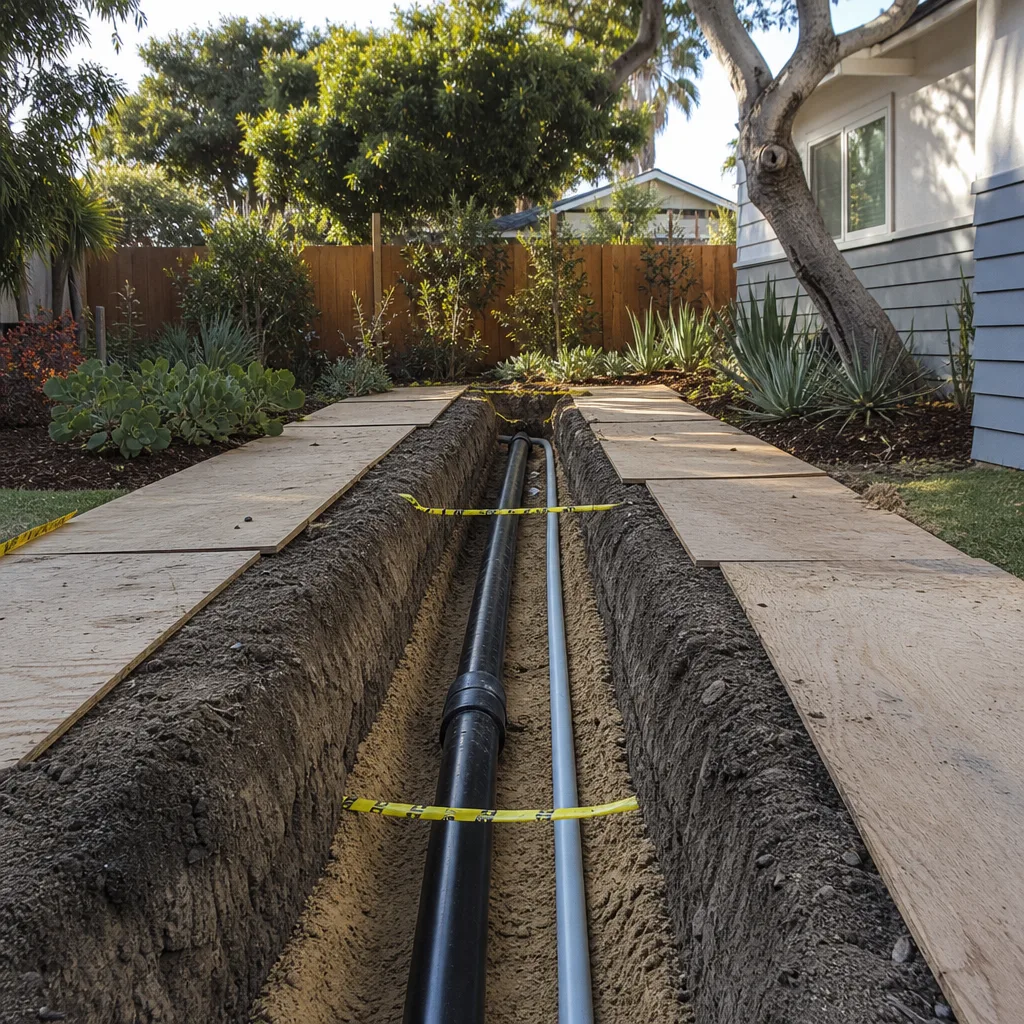
For a Boxabl in Sacramento, here’s what we quote, in writing, before any work starts:
- Foundation correction or new pour: $8,000 to $18,000 depending on whether it’s leveling, a partial re-pour, or a full new slab with the proper compaction and forms.
- Electrical service upgrade to 100-amp: $3,500 to $7,500 including panel, disconnect, trenching, and SMUD coordination.
- Sewer lateral repair or repositioning: $4,000 to $9,000 depending on distance from the unit to the city tap and how much trenching is required.
- Water line replacement or re-route: $2,500 to $5,500 depending on line length and whether boring under existing concrete is needed.
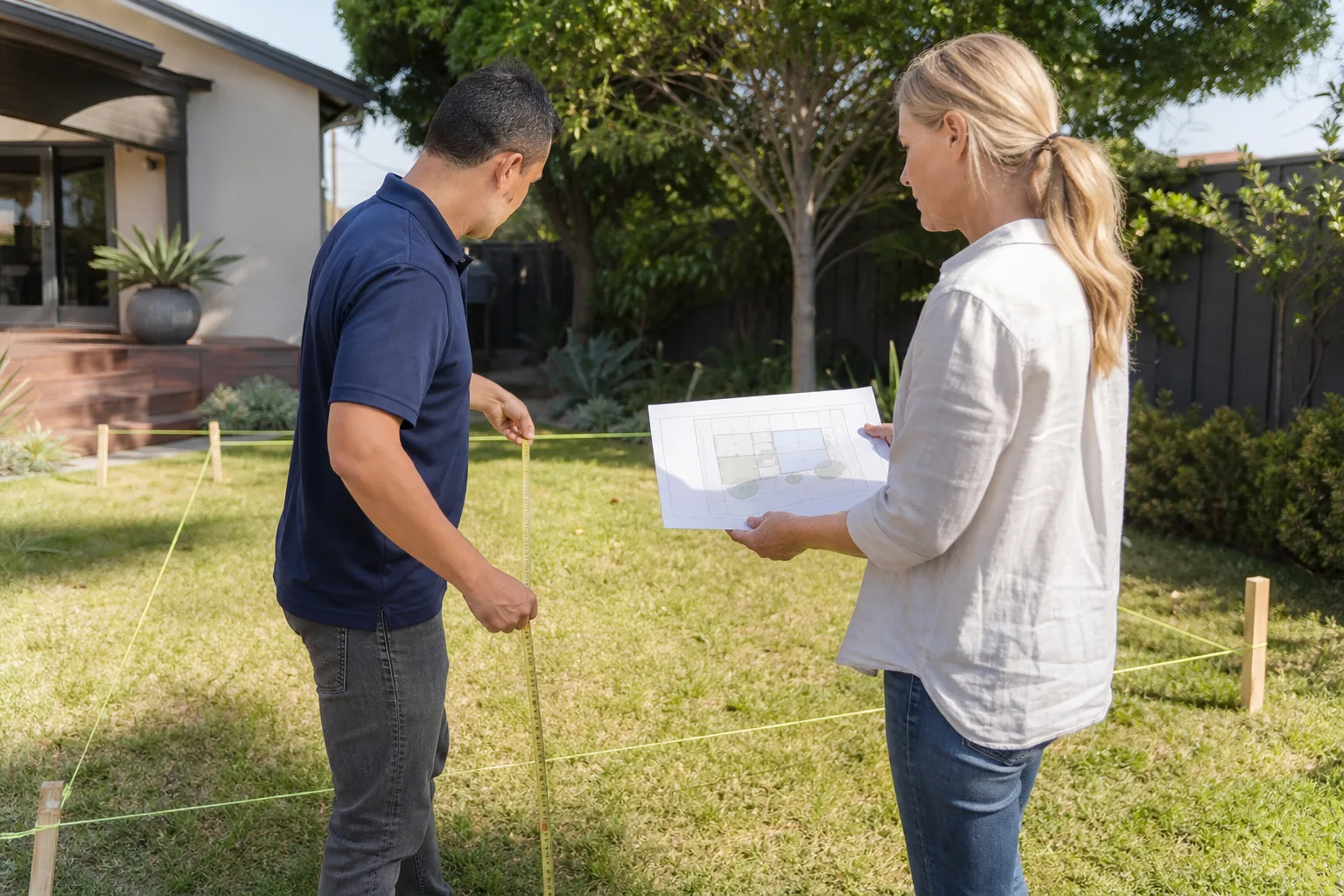
- Full site prep from raw lot to Boxabl-ready: $22,000 to $48,000 covering pad, utilities, drainage, and compaction.
Every one of those numbers is a range because your lot tells us what it needs. What doesn’t change is the process: you get a written line-item price before work begins, and that price doesn’t move at the door. The work carries our 365-Day Done Right Promise, which is in writing on every project. If something fails within that year, we come back and make it right. Russ Delmar signs every quote himself, and he’s particular about that.
DIY or Call Us?
Here’s the honest split. You can absolutely check some things yourself: whether your electrical panel is 60 or 100 amps, whether you can see standing water near the pad after rain, whether your doors are sticking more now than they were six months ago. Those observations help us diagnose faster.
But actually fixing any of the site prep and utility work? Call a professional. Trenching to a live sewer lateral or repositioning an electrical service involves permits, inspections, and in some cases utility-company coordination. Sacramento County and the City of Sacramento both have specific ADU utility requirements, and the permitting is not a homeowner-friendly weekend project. Getting a trench wrong or backfilling without proper compaction leads right back to the same failure you’re already dealing with. Call us at (279) 256-1973 and we’ll walk you through what we’re seeing and what it’ll take to fix it.
FAQs
A properly compacted slab with correct drainage should last the life of the unit, realistically 30-plus years for the foundation itself. The weak points in Sacramento are the utility tie-ins, particularly sewer laterals in older neighborhoods where tree roots and shifting clay soil put constant pressure on underground connections. Expect to inspect your main connection points every few years, especially after unusually wet winters.
Yes, but it depends on severity. Minor settlement of 1/2 inch or less can often be corrected with slab jacking or piering, which runs on the lower end of the range above. If the slab was never compacted properly or has cracked through in multiple planes, replacement is usually the honest answer rather than patching what’s fundamentally wrong. We’ll tell you which one you have after looking at it, and the written quote will reflect what’s actually needed, not what we’d prefer to sell.
Most corrections take 5 to 10 working days once permits are in hand. A sewer lateral repositioning is typically a two-day job. A full electrical service upgrade with SMUD coordination usually runs 3 to 5 days. If you need a full new pad, that’s closer to two weeks including curing time before the unit can be reset. We give you a real arrival window before work starts, and we honor it.
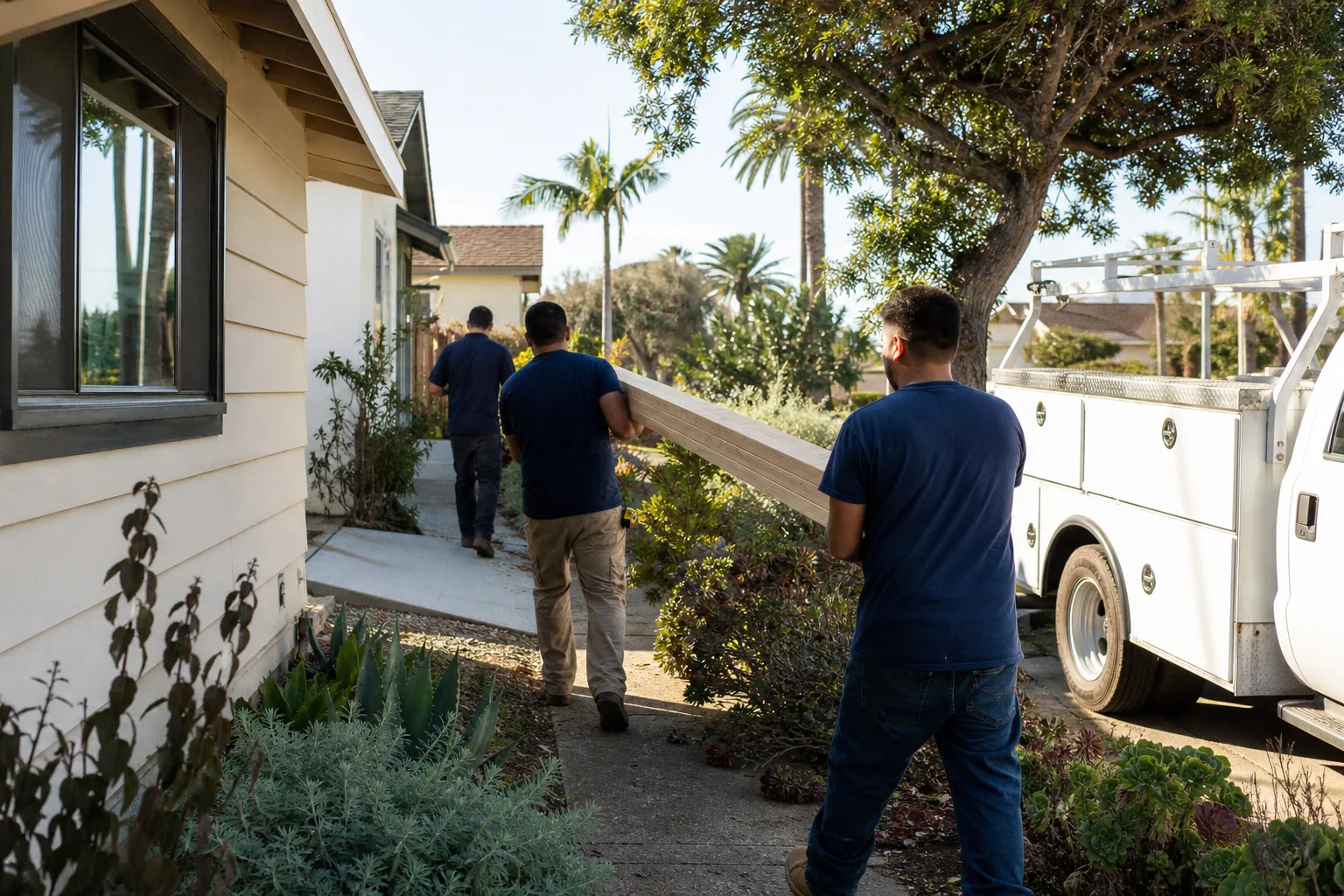
We stock the common materials on our trucks: Schedule 40 sewer pipe and fittings, PEX water line, the Eaton and Square D panel components we use for Boxabl electrical work, and the forming materials for pad corrections. Anything unusual gets sourced locally in Sacramento, usually same day or next morning. We work with Boxabl, Abodu, Cover, and Dvele units regularly, so the material knowledge transfers across those prefab brands.
Written by Russ Delmar, Owner, Lodgewick ADU Sacramento at Lodgewick ADU Sacramento, serving Sacramento and nearby areas.