Last updated October 15, 2026
DIY vs Professional ADU: The Sacramento Homeowner’s Decision Guide
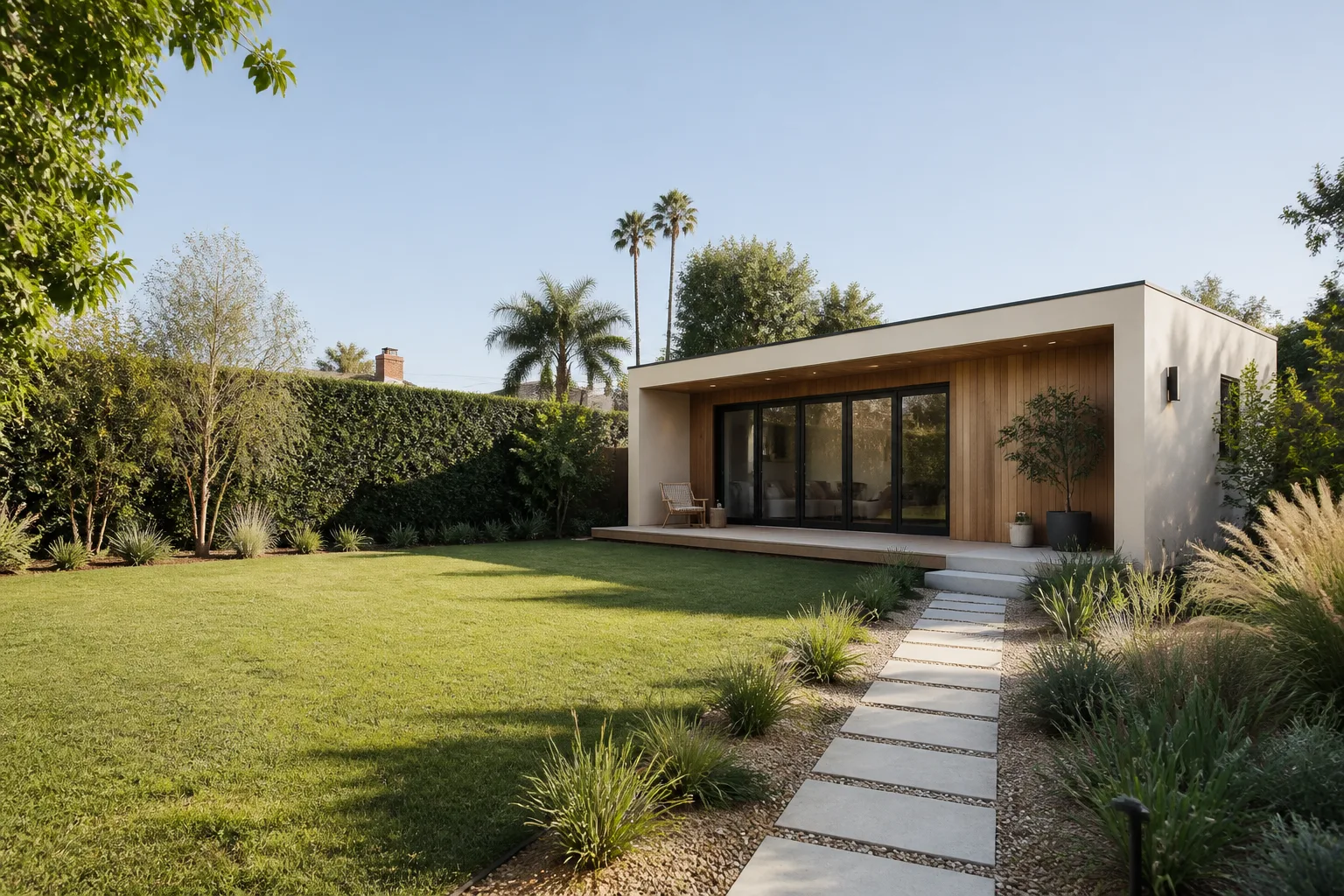
Here’s the counterintuitive truth about building an accessory dwelling unit in Sacramento: the hard part was never swinging a hammer. The hard part is the stack of paperwork, inspections, and legal disclosures that follows your project for decades. California lets homeowners pull their own ADU permit under the owner-builder exemption, but that same law triggers a mandatory disclosure at sale that tells every future buyer the work was done without a licensed contractor. Sacramento appraisers and lenders treat that disclosure very differently than permitted contractor work. This guide walks through exactly what DIY legally means in Sacramento, what it costs in real numbers, and where the line sits between saving money and creating a liability. For how to hire an ADU contractor in Sacramento: a step-by-step guide, see our companion resource.
Quick Answer
DIY ADU construction in Sacramento is legal under California’s owner-builder exemption, but only for the parts you can genuinely do yourself: finish work, painting, flooring, and some interior framing. Electrical, plumbing, and HVAC must be performed or signed off by licensed subcontractors regardless of who pulls the permit. A realistic 400 sq ft owner-builder ADU in Sacramento runs $180,000 to $240,000 including trade subcontractors and 600 to 900 hours of your own labor, versus $280,000 to $380,000 for a full professional build. The real cost difference shrinks when you factor in the owner-builder disclosure that follows your property at resale and the financing limits on owner-built units. For seasonal ADU care in Sacramento: a year-round homeowner’s guide, planning ahead can protect your investment.
Table of Contents
- What California’s Owner-Builder Exemption Actually Allows in Sacramento
- The Resale Disclosure: What Sacramento Buyers See and How Lenders Respond
- Real Cost Numbers: Owner-Builder vs Professional ADU in Sacramento
- What’s Genuinely DIY-Viable Without Voiding Permits or Warranties
- The Rental Legality Risk: STR Permits, Insurance, and Tax Documentation
- Sacramento’s Permit Process: What Owner-Builders Face That Contractors Already Know
- Common Mistakes to Avoid
- When to Call a Professional
- Frequently Asked Questions
- The Bottom Line
What California’s Owner-Builder Exemption Actually Allows in Sacramento
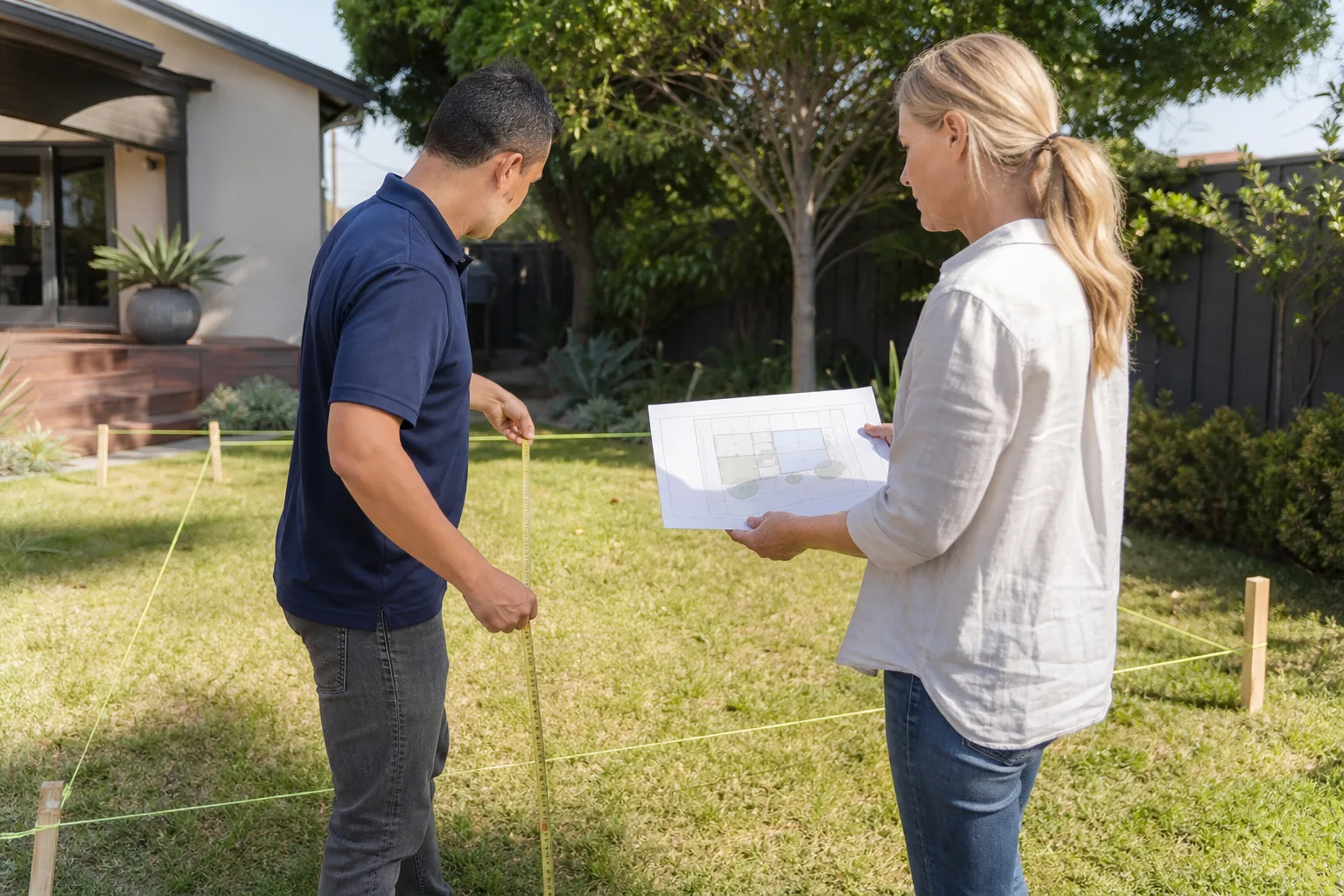
California Business and Professions Code 7044 lets a homeowner act as their own general contractor on their primary residence, including an ADU on the same lot. Sacramento’s Building Division honors this exemption: you can pull the building permit under your own name, schedule your own inspections, and hire subcontractors directly. What the exemption does not do is let you perform licensed trades yourself. Electrical work requires a C-10 electrical contractor or a homeowner electrical certification from Sacramento’s building department. Plumbing needs a C-36 licensed plumber. HVAC installation on a detached ADU requires a C-20 mechanical contractor. These are not suggestions; Sacramento inspectors will fail rough-in inspections if the work was done by someone who cannot document their license or homeowner certification.
What this means in practice is that the DIY path is not “do everything yourself.” It means you become an unpaid project manager who also does the unlicensed trades: framing, insulation, drywall, painting, flooring, and finish carpentry. We’ve walked through dozens of Sacramento ADU projects where the homeowner genuinely believed they could save $100,000 by “doing it themselves,” then discovered they still had to write checks for $40,000 to $60,000 in licensed trade work before the walls could be closed. Understanding that boundary before you pull the permit saves you from the most expensive surprise in the entire ADU process.
Sacramento’s ADU permitting also differs by neighborhood and lot conditions. Historic districts like Elmhurst and Poverty Ridge have additional design review requirements that an owner-builder may not know exist until the second submittal comes back with corrections. Flood zones along the American River Parkway trigger elevation requirements for detached units. Even something as basic as Sacramento’s soil conditions, which range from sandy loam in Natomas to clay-heavy ground in East Sacramento, changes your foundation engineering requirements. A professional ADU builder has already absorbed these variables into their standard process. An owner-builder discovers them one permit correction at a time.
The Resale Disclosure: What Sacramento Buyers See and How Lenders Respond
California Civil Code 1102 requires any seller who pulled an owner-builder permit to disclose that fact in writing to every prospective buyer. The standard TDS form has a specific checkbox: “Seller acted as owner-builder for any portion of the property.” Once checked, the buyer’s agent and the buyer’s lender have questions. Sacramento real estate agents we’ve worked with tell us the same thing every time: owner-builder disclosure does not kill a sale by itself, but it does three specific things. First, it flags the property for additional inspection scrutiny, because the buyer now has to independently verify that every permitted trade was done by a licensed contractor. Second, it narrows the financing pool, because some lenders require a full structural and systems inspection before funding a loan on an owner-built ADU property. Third, it gives the buyer negotiating leverage: the inspection contingency gets used as a price-reduction tool on owner-built work more often than on contractor-built work.
The appraisal consequence is more concrete. Sacramento appraisers are instructed to value an ADU based on comparable sales. When the only comps available are contractor-built ADUs with standard disclosures, an owner-built ADU with a disclosure flag typically lands at the lower end of the comparable range or gets an adjustment line item. The adjustment is not published in any formula, but in our experience across Sacramento County, it consistently runs 5% to 10% of the ADU’s appraised value. On a $350,000 ADU, that’s $17,500 to $35,000 in value you gave up to save on the build. The disclosure requirement never expires. Even if you live in the home for 15 years and the ADU is flawless, the owner-builder disclosure remains tied to the permit history.
There’s also the practical question of who verifies the quality of owner-builder work. If a contractor builds your ADU, the buyer’s agent can call that contractor’s Sacramento references. If you built it, the only reference is you. Some buyers are comfortable with that. Many are not, especially when the same listing shows a contractor-built ADU down the street at a similar price with a transferable workmanship warranty. We work with Sacramento homeowners every week who are planning to sell in five to ten years, and the disclosure question is the one they are least prepared for when they start the DIY conversation. Our Home Addition Contractor Maintenance Checklist for Sacramento Homeowners can help you stay ahead of these issues.
Real Cost Numbers: Owner-Builder vs Professional ADU in Sacramento
The “DIY saves you half” claim falls apart when you look at line items instead of headlines. Here is a realistic owner-builder budget for a 400 sq ft detached one-bedroom ADU in Sacramento, using 2025 material and labor pricing we see on active projects:
- Design and engineering: $8,000 to $14,000 (architectural drawings, structural engineering, Title 24 energy compliance)
- Sacramento permit fees: $6,000 to $9,000 (building permit, school impact fees if applicable, utility connection fees)
- Foundation and site work: $18,000 to $26,000 (excavation, forming, concrete pour, backfill)
- Framing materials: $11,000 to $16,000 (lumber package, hardware, roof trusses; labor is yours)
- Electrical subcontractor: $9,000 to $13,000 (panel work, rough-in, fixtures, final)
- Plumbing subcontractor: $8,000 to $12,000 (supply and waste lines, water heater, fixtures)
- HVAC subcontractor: $6,000 to $9,000 (mini-split system, ductwork if applicable)
- Roofing materials and labor: $7,000 to $10,000 (you can install some roofing yourself, but Sacramento inspectors scrutinize flashing details)
- Insulation and drywall: $4,000 to $6,000 (materials only; this is your labor)
- Windows and doors: $5,000 to $8,000 (Title 24 compliant only)
- Finish materials: $12,000 to $18,000 (flooring, cabinets, tile, paint, trim, fixtures)
- Unforeseen conditions: $8,000 to $15,000 (Sacramento soils, utility line discoveries, permit corrections, material price changes)
Total owner-builder cost: $180,000 to $240,000, plus 600 to 900 hours of your own labor. That labor is the number most people don’t calculate. At even $40 an hour for your own time, which is what a Sacramento handyman charges, that’s $24,000 to $36,000 of economic cost you’re absorbing. If you take time off work to manage the project, the number gets worse. A full professional bid for the same 400 sq ft Sacramento ADU runs $280,000 to $380,000 depending on finishes and site conditions. So the realistic savings is $40,000 to $100,000, not the $150,000 that DIY promoters claim, and that savings comes with the resale disclosure consequence and the rental documentation problem discussed below.
Time is the other hidden cost. A professional ADU company like ADU Builders in Sacramento typically completes a 400 sq ft detached unit in 6 to 9 months from permit submittal to final inspection. An owner-builder working weekends and evenings typically takes 14 to 24 months for the same square footage. Every month of delay is a month the unit is not generating rent, not housing a family member, and not adding to your property value. At Sacramento’s market rate of $1,800 to $2,400 a month for a one-bedroom ADU rental, an extra year of construction time costs you $21,600 to $28,800 in lost income.
What’s Genuinely DIY-Viable Without Voiding Permits or Warranties
You can meaningfully reduce your ADU cost by taking on specific finish-scope work after the licensed trades have completed their rough-in and been inspected. Sacramento’s inspection sequence gives you a natural handoff point: after the framing, electrical rough-in, plumbing rough-in, and HVAC rough-in inspections all pass, the inspector signs off on closing the walls. Everything after that point, the insulation and drywall, the texture and paint, the flooring and trim, the cabinet installation and fixture trim-out, is work that has no licensing requirement for an owner-builder. Here is the clean division:
Safe to DIY after all rough-in inspections pass:
- Insulation installation (with inspector checking before drywall)
- Drywall hanging, taping, and texturing
- Interior and exterior painting
- Flooring installation (hardwood, LVP, tile if you have the skill)
- Baseboard, crown molding, and window casing
- Cabinet assembly and installation
- Fixture trim-out: faucets, light fixtures, door hardware
- Landscaping and hardscaping around the unit
Must be done or signed off by a licensed contractor, regardless of who pulls the permit:
- Electrical panel work, rough-in wiring, and final connection
- Plumbing supply lines, drain lines, and gas line work if applicable
- HVAC system installation including mini-split refrigeration lines
- Any work referenced in the structural engineering drawings
- Roofing on a sloped roof with any height above 10 feet, which Sacramento inspectors review with particular attention to flashing and underlayment
The hybrid path is the most common successful DIY strategy in Sacramento: you pull the owner-builder permit, you hire the licensed trades directly, you do all the finish work yourself after inspections pass. For more guides & resources on ADU construction, explore our blog. This approach captures maybe $25,000 to $45,000 in labor savings on the finish scope while preserving the legal integrity of the licensed trade work. It still triggers the owner-builder disclosure at sale, but the narrative shifts: “I managed the project and did the finish work; all licensed trades were hired directly.” Some Sacramento buyers accept that story. Fewer accept “I did everything including wiring my own panel.”
If you’re weighing a site-built ADU against a panelized or prefab option, brands like Plant Prefab and Boxabl offer Sacramento-approvable designs that can reduce framing time significantly. The catch is that the foundation, utilities, and assembly still require licensed trades on site, and the permit process is the same. Prefab changes the materials and labor structure, not the legal structure. We’ve seen homeowners assume “factory-built” means “permit-free” and that is not how Sacramento’s Building Division sees it. A permitted ADU is a permitted ADU whether the walls arrive on a truck or get framed on site.
The Rental Legality Risk: STR Permits, Insurance, and Tax Documentation
Sacramento’s short-term rental ordinance requires a permit for any dwelling unit rented for less than 30 consecutive days. For an ADU, that permit application asks for a certificate of occupancy and, in practice, rental documentation. If your ADU was built under an owner-builder permit, the city will verify that all licensed trade inspections passed and that the unit has final approval. The owner-builder disclosure itself does not block a short-term rental permit in Sacramento, but the permit review process will scrutinize the mechanical, electrical, and plumbing sign-offs more carefully when an owner-builder is on the record. Any missing trade inspection, any gap in the documentation that would have been caught by a licensed general contractor’s process, becomes a blocker at the rental permit stage.
The insurance question is more direct. Sacramento homeowners who rent out an ADU need either a landlord policy or an endorsement on their homeowners policy. Insurance underwriters have started asking specifically whether any accessory structure was owner-built. If the answer is yes, the underwriter typically requires a current four-point inspection: electrical, plumbing, roof, and HVAC. Any deficiency found in that inspection goes on the policy as a condition, often requiring licensed repairs before coverage binds. A contractor-built ADU with a warranty and standard disclosure generally passes four-point inspection without condition. The owner-built ADU is the one that gets the additional scrutiny.
Tax documentation follows the same pattern. If you’re depreciating the ADU on a Schedule E as a rental property, you need a cost basis. The cost basis for an owner-built ADU includes your materials and your paid subcontractors, but not your own labor. The IRS does not let you depreciate the value of your own sweat equity. So if you spend 800 hours building your ADU yourself, your depreciable basis is lower by the value of that time, and your annual depreciation deduction is correspondingly smaller. A contractor-built ADU has a cleaner cost basis because the contracted price is documented in writing. A Home Addition Contractor in Sacramento can provide the same documentation for a larger addition if the unit is attached to the primary home.
Sacramento’s Permit Process: What Owner-Builders Face That Contractors Already Know
The Sacramento Building Division processes ADU permits through the city’s ePermit portal, but the submittal requirements are not simplified for owner-builders. You need the same drawings, the same structural calculations, the same Title 24 energy report, and the same site plan as a professional builder. The difference is that a professional ADU builder has submitted these packages hundreds of times and knows what gets rejected. Owner-builders typically go through two to three correction cycles before their first approval, and each correction cycle adds two to four weeks in Sacramento. Here’s the typical sequence we see:
- Submit site plan, architectural drawings, structural calculations, and Title 24 report through ePermit portal.
- Sacramento Planning Division reviews for zoning compliance, setback requirements, and design review if in a historic district.
- Building Division reviews for structural, fire, and life safety compliance.
- Corrections are issued. Owner-builders typically resolve these in two to four weeks; professionals often clear them in one week or less.
- Permit is issued. Sacramento requires the owner-builder to sign an owner-builder acknowledgment form before the permit is final.
- Foundation, framing, electrical, plumbing, HVAC, insulation, and final inspections are scheduled through the city’s inspection portal.
- Certificate of occupancy is issued after the final inspection passes.
The inspection sequence is where owner-builders lose the most time. Sacramento’s inspection slots can be booked several days out, and a failed inspection means a rebooking, which adds another several days. A professional builder with a full-time superintendent on the project schedules inspections as the work completes. An owner-builder with a day job tries to coordinate inspection times around work hours and ends up with a project that stalls for a week at a time waiting for the next inspection window. Every stalled week carries the carrying cost of scaffolding, material storage, and the simple reality that the unit is not finished.
Sacramento’s climate also affects the schedule in ways that are easy to forget in the planning phase. The dry season from May through October is the practical window for foundation work, roofing, and exterior stucco or siding. An owner-builder who pulls a permit in June is racing to get the shell dried in before November rain. A professional builder with a superintendent sequencing trades can compress that window. An owner-builder doing the work on weekends will almost certainly lose a winter to the weather and finish the following spring. That’s an extra five months of carrying costs.
Common Mistakes to Avoid
- Pulling a permit before understanding the trade licensing requirements. Once you sign the owner-builder acknowledgment in Sacramento, you have accepted responsibility for verifying every trade license on the job. If you discover later that you cannot perform the electrical work yourself and you didn’t hire a C-10 contractor, your project stops.
- Underestimating the correction-cycle timeline. Sacramento’s Building Division is consistent but thorough. Budget for two correction cycles minimum as an owner-builder, and do not count on the project finishing in the same calendar year you started.
- Thinking prefab means permit-free. Plant Prefab, Boxabl, Dvele, and similar brands all require Sacramento permits, licensed utility connections, and a certificate of occupancy. The factory build changes the framing schedule, not the legal process.
- Ignoring the resale disclosure until someone asks for it. The owner-builder disclosure appears on the TDS forever. Some Sacramento homeowners build without fully understanding this consequence and only learn about it when they are sitting at the title office.
- Skimping on the licensed trades to save money. Electrical, plumbing, and HVAC are the three systems that lenders, insurers, and rental permit reviewers check first. The savings from cutting corners here disappears at sale, rental, and insurance renewal.
- Starting without a written materials budget. Sacramento lumber prices and finish material costs have been volatile for five years. An owner-builder without a written line-item budget underestimates materials by an average of 20% to 30% on first submittal.
- Assuming your own labor has no cost. The 600 to 900 hours you spend building your ADU is time not spent working, not spent with family, and not spent managing the rental income the unit could be producing. Calculate that time before you start.
When to Call a Professional
If your Sacramento lot has any of these conditions, call a professional before you pull a permit: sloped site requiring retaining walls or stepped foundations, utility access that requires trenching more than four feet deep, a garage conversion on a detached structure with existing damage, any scope that includes moving a water heater or gas line, or a home addition that ties into the existing roof structure. These conditions require engineering, sequencing, and trade coordination that owner-builders consistently underestimate. If your timeline is motivated by a family member needing housing or rental income offsetting your mortgage, a professional build that finishes in 8 months beats a DIY build that finishes in 20. Garage Conversion Contractor in Sacramento is the page to read if your project starts with an existing structure. Lodgewick ADU Sacramento offers free estimates in Sacramento, call (279) 256-1973 to talk through your specific lot and scope.
Frequently Asked Questions
A realistic owner-builder 400 sq ft detached ADU in Sacramento runs $180,000 to $240,000 including licensed trade subcontractors, versus $280,000 to $380,000 for a full professional build of the same size. The savings of $40,000 to $100,000 comes with a mandatory resale disclosure and a 14 to 24 month timeline instead of a 6 to 9 month professional timeline. Call (279) 256-1973 for an exact quote on your Sacramento property, estimates are free.
No. Electrical work on a permitted ADU in Sacramento must be performed by a licensed C-10 electrical contractor or a homeowner who has obtained a homeowner electrical certification from the Sacramento building department and passed the required testing. The certification allows you to do the work yourself, but the inspection standards are identical and the failure rate for first-time homeowner electricians is high.
Sacramento appraisers typically value owner-built ADUs at the lower end of the comparable range or apply a 5% to 10% adjustment against the appraised value of the ADU. The disclosure never expires and must be disclosed on every future sale of the property. Lenders may require additional inspections before funding a loan on the property.
After all rough-in inspections pass, you can safely do insulation, drywall, painting, flooring, trim, cabinet installation, fixture trim-out, and landscaping in Sacramento. Before that point, framing is technically DIY-viable but must match the structural drawings exactly, and any deviation triggers a failed inspection. The licensed trades, electrical, plumbing, and HVAC, are never DIY under Sacramento’s permit rules.
Yes, as long as all licensed trade inspections passed and the unit has a final certificate of occupancy. The short-term rental permit review in Sacramento will scrutinize owner-built units more thoroughly than contractor-built units, and any missing inspection documentation will block the permit application. Insurance underwriters may also require a four-point inspection before covering an owner-built rental ADU.
Most owner-builders working weekends and evenings take 14 to 24 months from permit submittal to certificate of occupancy in Sacramento. A professional ADU builder typically completes the same scope in 6 to 9 months. The difference is the project management time, the inspection coordination, and the reality that winter weather in Sacramento pauses exterior work for owner-builders but not for crews on a full schedule.
The Bottom Line
The DIY vs professional ADU decision in Sacramento comes down to one question: do you want to spend 600 to 900 hours becoming an unpaid general contractor in exchange for $40,000 to $100,000 in savings that then gets disclosed to every future buyer of your home? For some Sacramento homeowners, that trade is worth it, especially those with construction backgrounds and flexible schedules. For most, the resale disclosure, the trade licensing requirements, the inspection timeline, and the rental documentation burden make the professional path the financially rational choice. Before you decide, read the ownership costs in this guide against your own schedule and resale plans. If the professional path makes sense, visit the Lodgewick ADU Sacramento home page to start. If you’re weighing an addition instead, the Home Addition Contractor in Sacramento guide covers that path in the same detail.
Call (279) 256-1973 to schedule a free estimate. We’ll give you a written price before any work starts, a defined arrival window, and a written guarantee on every project, the Kingswell Guarantee in writing, on every build.
Written by Russ Delmar, Owner at Lodgewick ADU Sacramento, serving Sacramento since 2010.