Cover Site Prep & Utilities: The Sacramento Owner’s Guide
Site prep and utilities for a Cover home in Sacramento typically run $28,000 to $65,000 installed, depending on your lot, soil conditions, and how far your utility connections need to travel from the street. Most Cover owners discover site prep scope when their first contractor walks the property and starts flagging things like clay soil, existing tree roots, or a sewer lateral that’s 40 years old. We handle the full scope: excavation, grading, foundation support, trenching, and utility connections for water, sewer, and power, all matched to Cover’s factory specifications.
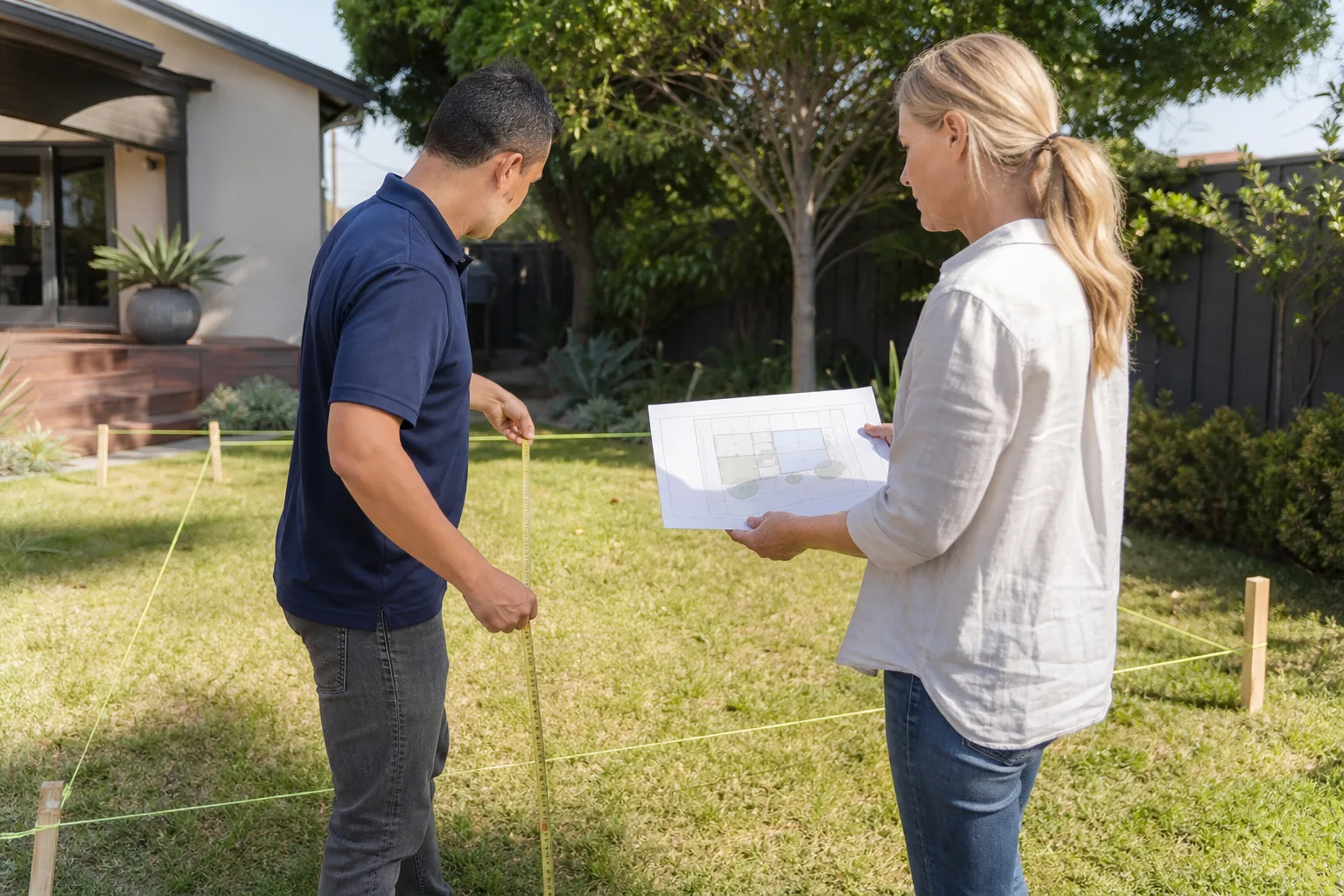
Russ Delmar has walked enough Sacramento lots to know that site prep is where prefab projects get expensive in a hurry. The house itself is priced. The ground underneath it is not, until someone tests the soil and maps the utilities. That’s the piece we put in writing before any equipment rolls onto your property.
Key takeaways:
- Cover site prep in Sacramento typically lands between $28,000 and $65,000, with infill lots in older neighborhoods like Land Park or East Sacramento trending toward the upper end.
- The two biggest cost drivers are soil type (Sacramento has large pockets of expansive clay) and utility distance from the street.
- We install and connect Cover-compatible site systems, including foundation pads, trenching, and utility laterals, with a written price before work starts.
- We’re an independent Sacramento service provider, not affiliated with Cover, but we work with their factory specs daily.
Which Cover Models This Applies To
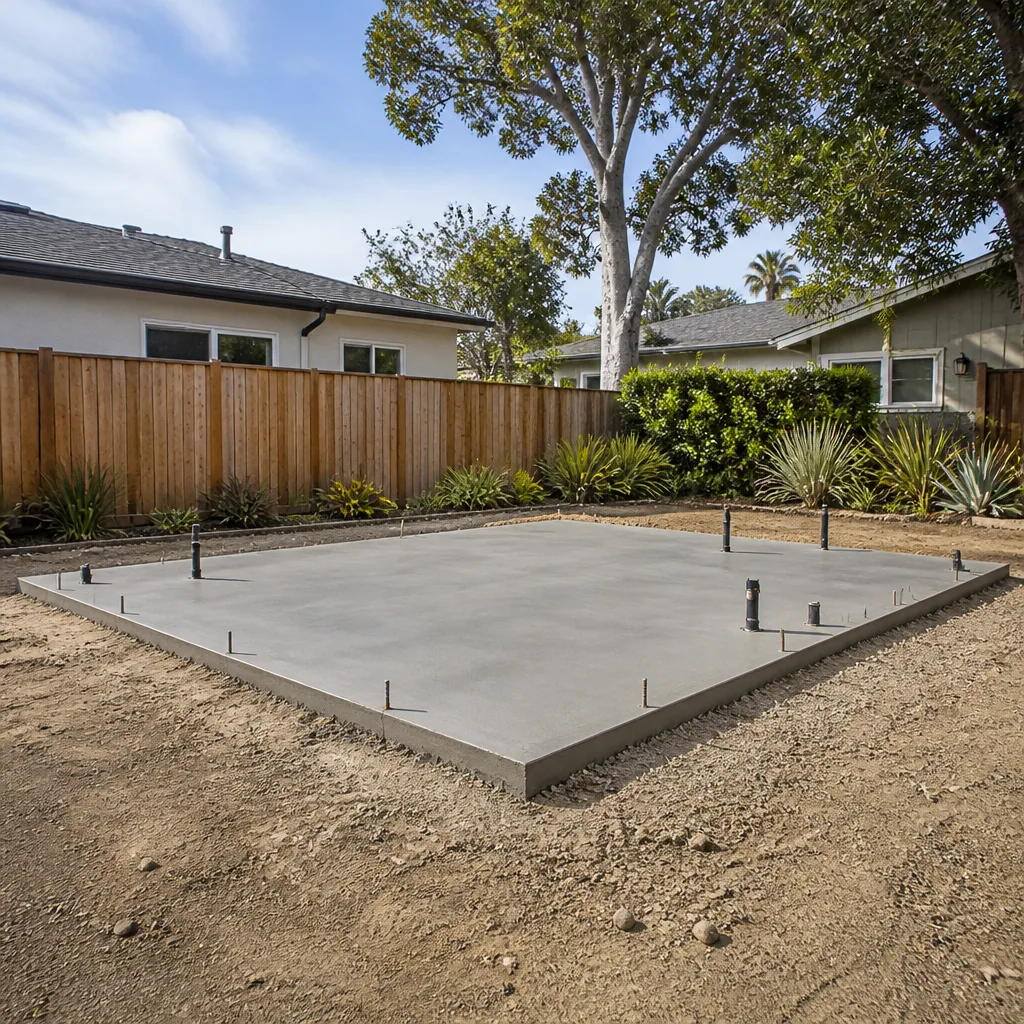
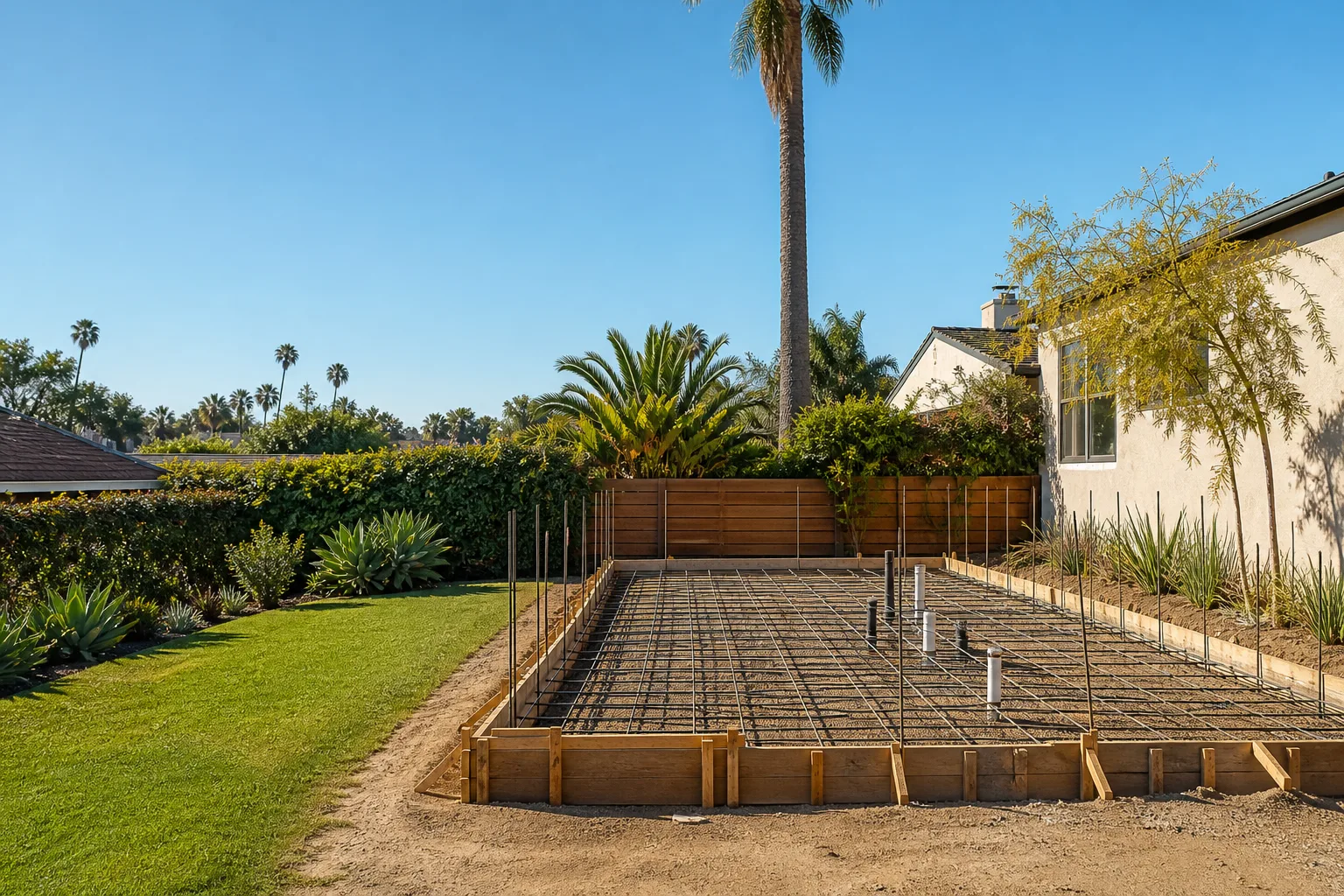
Cover builds panelized homes, and every model, from the Cover Studio to the larger two-bedroom units, sits on a foundation system that has to meet the same basic requirements: a level, compacted base with proper drainage and utility stubs placed within Cover’s specified tolerances. The site prep work doesn’t change much between models. What changes is where the utility connections land, and that’s where model-specific planning comes in.
If you’re holding Cover’s site prep spec sheet, look for the foundation plan page. It shows utility stub locations with measurements from the home’s corner points. Get those stubs wrong by even six inches and you’re cutting into fresh concrete to reposition a sewer line, which nobody wants on a brand-new foundation. We’ve seen it happen when a general contractor without prefab experience treats a Cover foundation like a conventional stick-built slab.
OEM versus aftermarket matters less for site prep than it does for mechanical parts, but there is one compatibility gotcha: Cover specifies a particular elevation tolerance for its foundation pads, usually within an eighth of an inch over ten feet. Standard residential concrete crews often work to a quarter-inch tolerance. That difference sounds small, but it telegraphs straight into how well the factory panels seat on move-in day. We grade and finish Cover foundations to factory spec, not to conventional concrete standards, because we’ve learned the hard way that the panels don’t forgive sloppy elevation work.
For Sacramento lots specifically, drainage is the silent spec. Cover’s foundation details assume positive drainage away from the home, but our clay-heavy soils hold water longer than the sandy loam you’d see in other parts of California. We over-excavate and bring in compacted base rock in swales and low corners more often than not, particularly in neighborhoods like Pocket or Greenhaven where the water table sits higher.
Signs Your Cover Site Prep & Utilities Is Failing
- Standing water near the foundation after rain. Sacramento gets brief, intense winter storms, and if water pools within five feet of your Cover home for more than a few hours, your drainage plan isn’t working. The cause is usually a swale that settled or a downspout that discharges too close to the pad.
- Cracks in the foundation pad wider than a credit card. Expansive clay soil swells when wet and shrinks when dry. Over a few seasons, that movement can lift and settle a slab enough to show hairline cracking. If cracks appear quickly after a wet winter, the base rock layer probably wasn’t deep enough.
- Sewer backups or slow drains. Tree roots in older Sacramento neighborhoods, especially Land Park and Curtis Park, find their way into aging laterals. If your Cover home is new but the sewer line is original to the property, the problem is likely the connection point where old meets new.
- Low water pressure or sputtering faucets. On a new utility lateral, this usually means a crushed or kinked supply line from trench settlement. It can also mean undersized meter-to-house piping, which happens when a crew guesses instead of following Cover’s pressure spec.
- Electrical service interruptions during peak load. If your panel is sized correctly but you’re tripping breakers when the air conditioner and dryer run together, the issue may be the underground feeder run. A scored cable or an undersized conduit from the street can cause exactly this, and it’s a repair we make regularly.
Replacement Cost & What’s Included
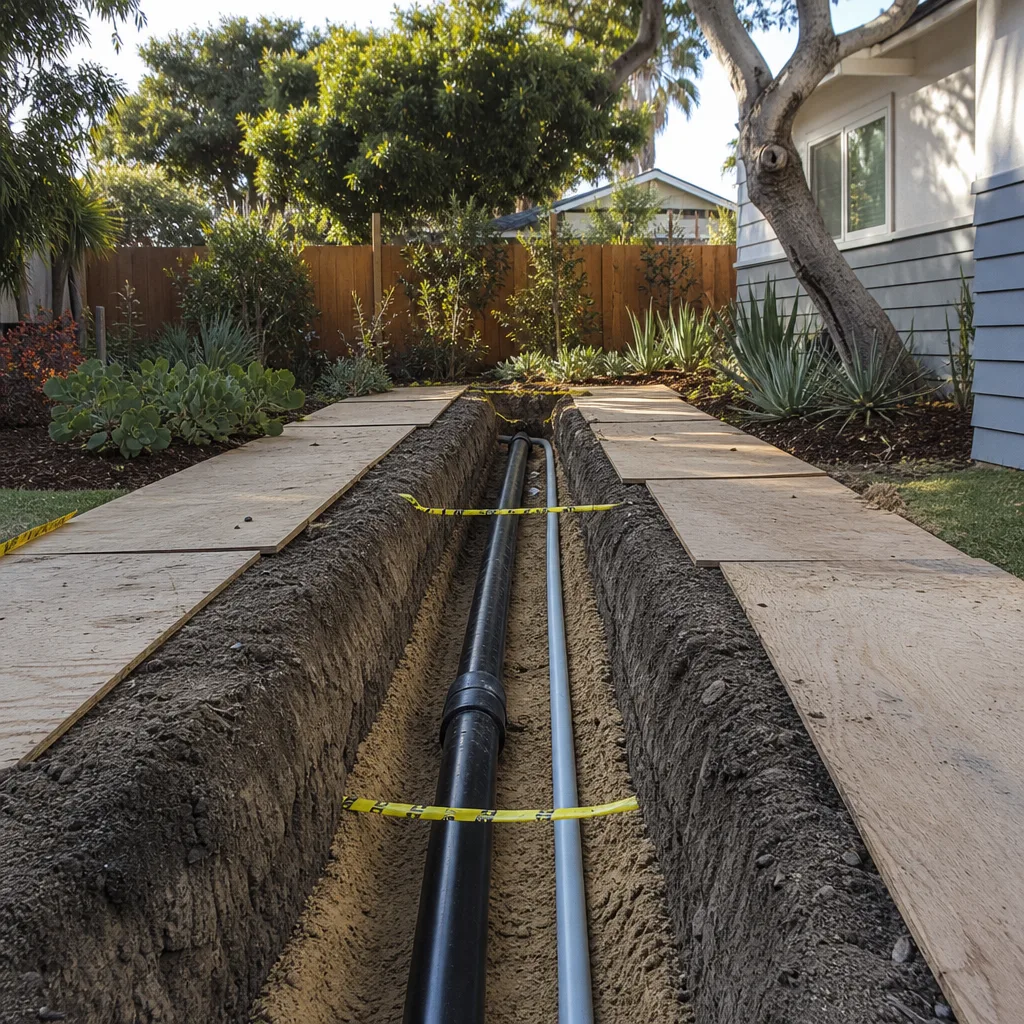
For Sacramento Cover owners, here’s the pricing picture in plain terms. If you need a utility lateral replacement only, like a new sewer line from the home to the street, expect $6,000 to $18,000 depending on depth and distance. A full site prep package with excavation, grading, base rock, foundation pad, and all utility stubs runs $28,000 to $65,000. A partial repair, say re-grading a swale and adding a sump pump and drainage line, lands between $4,000 and $9,000.
- Sewer lateral replacement: $6,000 – $18,000 (depth and street distance drive this)
- Water line replacement: $3,500 – $8,000
- Electrical service trench and conduit: $4,000 – $12,000 (depends on panel location and overhead-to-underground conversion)
- Drainage correction and swale work: $4,000 – $9,000
- Full site prep for new Cover unit: $28,000 – $65,000
Every quote we write for Sacramento includes permits, trenching, materials, compaction testing where required, and the written guarantee under our 365-Day Done Right Promise. If the ground settles and your drainage stops working within a year, we come back and fix it at no charge. That’s in writing before we start. No price changes at the door, no discovered conditions that double the bill. When we walk your lot, we test the soil and map the utilities before we quote, so the number holds.
DIY or Call Us?
Site prep and utility work is not a DIY project. Trenching for a sewer line or electrical conduit means cutting into ground that may contain gas lines, and one wrong move with a trenching machine in Sacramento’s older neighborhoods can turn a $6,000 repair into a five-figure emergency. Even the “safe” tasks, like re-grading a swale, require a transit level and an understanding of how water moves across your specific lot. A cautious homeowner can pull permits for minor drainage work, but the margin for error is thin, and mistakes don’t show up until the first big rain.
What you can do yourself is document. If you suspect a utility issue, take photos of standing water, note when drains back up, and mark where your sewer cleanout sits. That information helps us quote faster and more accurately. Then call us at (279) 256-1973. We’ll walk the site, test what needs testing, and give you a written number. You’ll know the price before we ask for a signature.
FAQs
A properly built Cover foundation with correct base rock and drainage should last the life of the home, which means 50 years or more for the structure itself. Utility laterals last 40 to 80 years depending on material, but Sacramento’s clay soil and older tree stock can shorten that. If you’d like us to inspect your existing site conditions, call (279) 256-1973 and we’ll take a look.
Sometimes, yes. If the pipe is intact but root intrusion is the problem, we can clear it and install a liner, which costs less than a full replacement. If the lateral has collapsed or separated at a joint, replacement is the only reliable fix. We’ll camera the line and show you what’s happening before we recommend either path, and the estimate is free.
A sewer or water line replacement in Sacramento takes one to three days, including trenching, installation, inspection, and backfill. Full site prep for a new Cover home runs two to four weeks depending on weather and inspection scheduling. We give you a written timeline with your quote, and we hit it. Call (279) 256-1973 to schedule your free estimate.
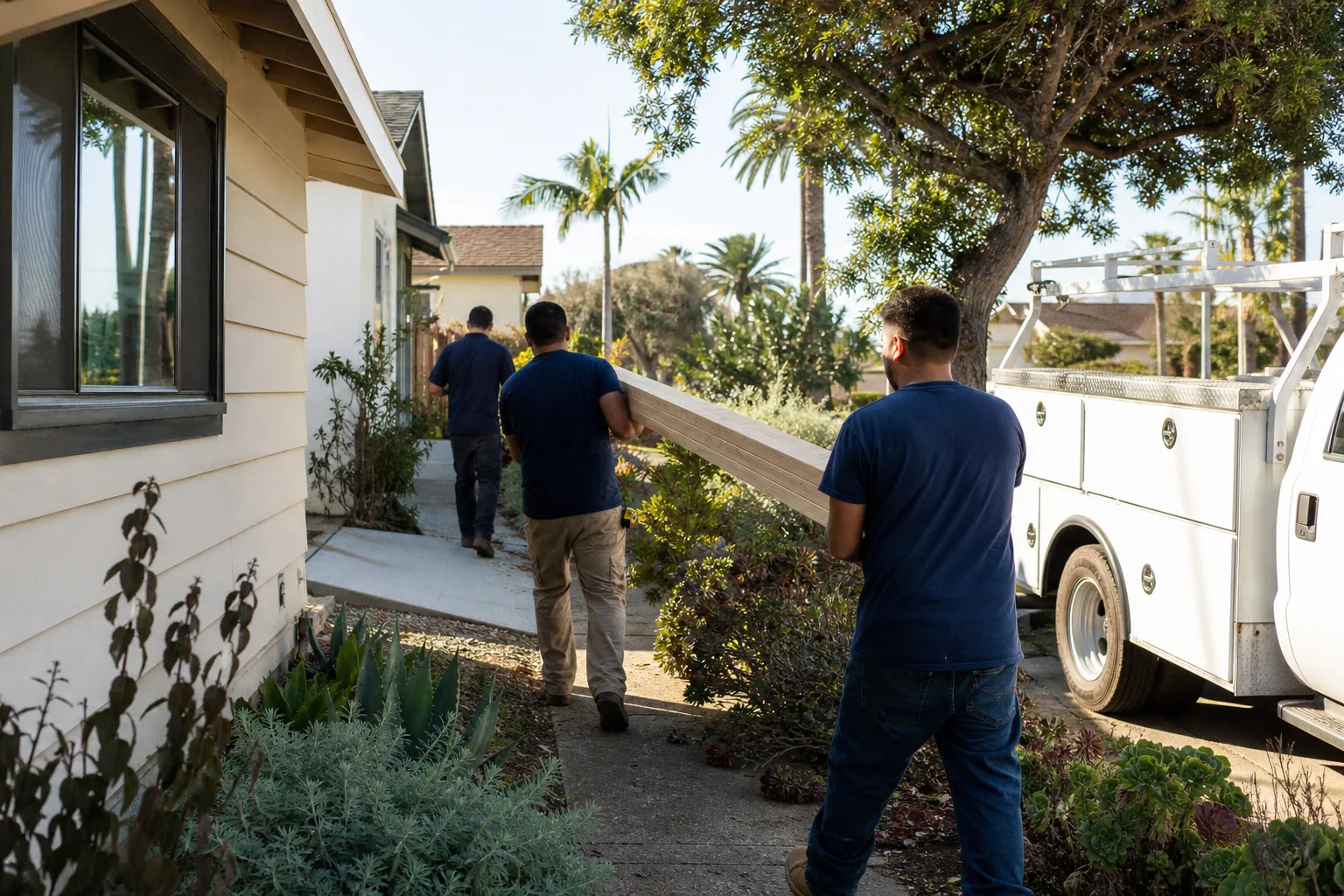
We stock the common materials on our trucks and at our Sacramento yard: base rock, compaction equipment, trenching gear, pipe, conduit, and the grade stakes and survey equipment needed for Cover foundation tolerances. For anything model-specific, we order directly and handle the logistics so you don’t have to. Call (279) 256-1973 and we’ll confirm what’s in stock for your project.
If you own a Cover home in Sacramento and the ground underneath it is misbehaving, or you’re planning a new unit and want site prep done right the first time, call us at (279) 256-1973. We’ll walk the property, test what needs testing, and put a number in writing. Done right means done once.
Written by Russ Delmar, Owner, Lodgewick ADU Sacramento at Lodgewick ADU Sacramento, serving Sacramento and nearby areas.