James Hardie ADU Design & Permitting: The Sacramento Owner’s Guide
James Hardie siding and trim on an ADU in Sacramento typically runs $14 to $22 per square foot installed, and a full design-and-permitting package for a detached unit usually lands between $8,000 and $18,000 depending on the city’s plan-check backlog and your lot’s specific conditions. That’s the number most homeowners actually need when they call us the first time. Most people reach this page because a previous contractor got halfway through a garage conversion, the Hardie plank started buckling at the seams, or the city came back with a correction notice and nobody’s answering the phone. We walk through the whole thing with you: the product, the paperwork, the price, and what happens if it’s not right.
Key takeaways:
- Installed James Hardie plank siding on an ADU: $14 – $22 per square foot in Sacramento
- Full ADU design + permitting package: $8,000 – $18,000, drawn and submitted for you
- We don’t charge a price-change at the door. The written price is the price.
- The Kingswell Guarantee: written price first, real arrival window, clean job site, written guarantee on every project
- We’re an independent Sacramento builder, not a James Hardie dealer or affiliate
Which James Hardie Models This Applies To
If you’re building or repairing an ADU with James Hardie, you’re almost certainly working with one of three product lines: HardiePlank lap siding, HardiePanel vertical siding, or HardieTrim boards. The version matters because the installation specs are different. HardiePlank lap siding requires a 1/8-inch gap between butt joints and flashing behind every seam. HardiePanel uses a different nailing pattern and won’t accept the same touch-up caulk as the plank. HardieTrim boards, which most Sacramento ADU designs use around windows and corners, fail first at the bottom edge where sprinklers hit it.
Here’s the compatibility gotcha we see in Sacramento constantly: HardiePlank in the HZ10 zone (which is most of our region) requires specific clearance from roofs and grade that many garage-conversion crews skip. The product itself is the same, but the installation spec changes by climate zone, and Sacramento sits differently than the Bay Area. If your plans don’t reference the correct Hardie installation detail for Sacramento’s climate zone, the city will bounce them back and the siding will eventually fail at the seams.
Lodgewick ADU Sacramento is an independent builder and installer. We spec James Hardie products regularly alongside Abodu, Cover, and Dvele prefab units, but we don’t sell Hardie products directly and we’re not their warranty arm. What we do is make sure the right product goes on the right way with the right paperwork behind it.
Signs Your James Hardie ADU Design & Permitting Is Failing
- Plank edges are swelling or mushrooms at the butt joints. This means the required 1/8-inch gap wasn’t left between boards, or the joint flashing was skipped. The product didn’t fail; the installation did. In Sacramento’s wet winters, this shows up within two to three years of a cut-corner install.
- Your city plan-check came back with a correction list two pages long. Most correction letters aren’t about the design; they’re about missing details: shear-wall calcs, roof-to-wall connections, or Hardie installation specs that don’t match the approved detail for your specific site. A good design package anticipates these before submittal.
- Water is getting behind the Hardie trim at windows or door corners. The trim boards are nailed too close to the corner or the flashing wasn’t layered correctly. Once water gets behind the siding, you’re not fixing it with caulk, you’re opening the wall.
- Your original contractor won’t return calls about the permit status. In Sacramento, an open permit with no activity for more than 180 days can trigger an expiration notice. If you’re chasing the person who pulled the permit, the design-and-permitting “part” of the project has already failed.
- You were given a verbal price and now the bill is 30% higher. That’s not a design failure, but it’s the most common way ADU projects go sideways before a board is ever nailed up. A written price with a defined scope is the only honest way to build.
Replacement Cost & What’s Included
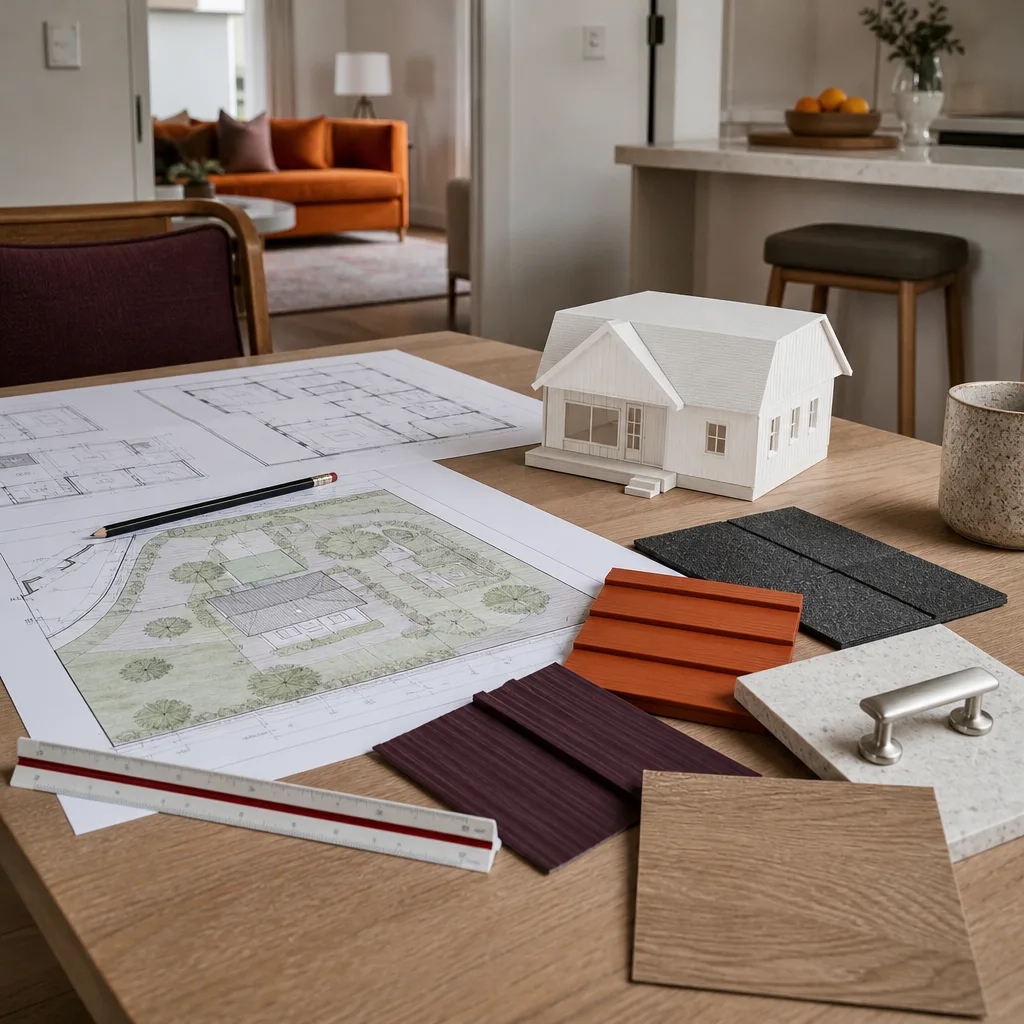
In Sacramento, a re-side of an existing ADU with James Hardie plank typically runs $14 to $22 per square foot of wall area. A 400-square-foot garage conversion ADU usually lands between $5,600 and $8,800 for the siding labor and materials, assuming the framing and sheathing are sound. If the existing siding failed because of water intrusion, add $1,200 to $3,500 for sheathing repair and new flashing, depending on how far the rot traveled.
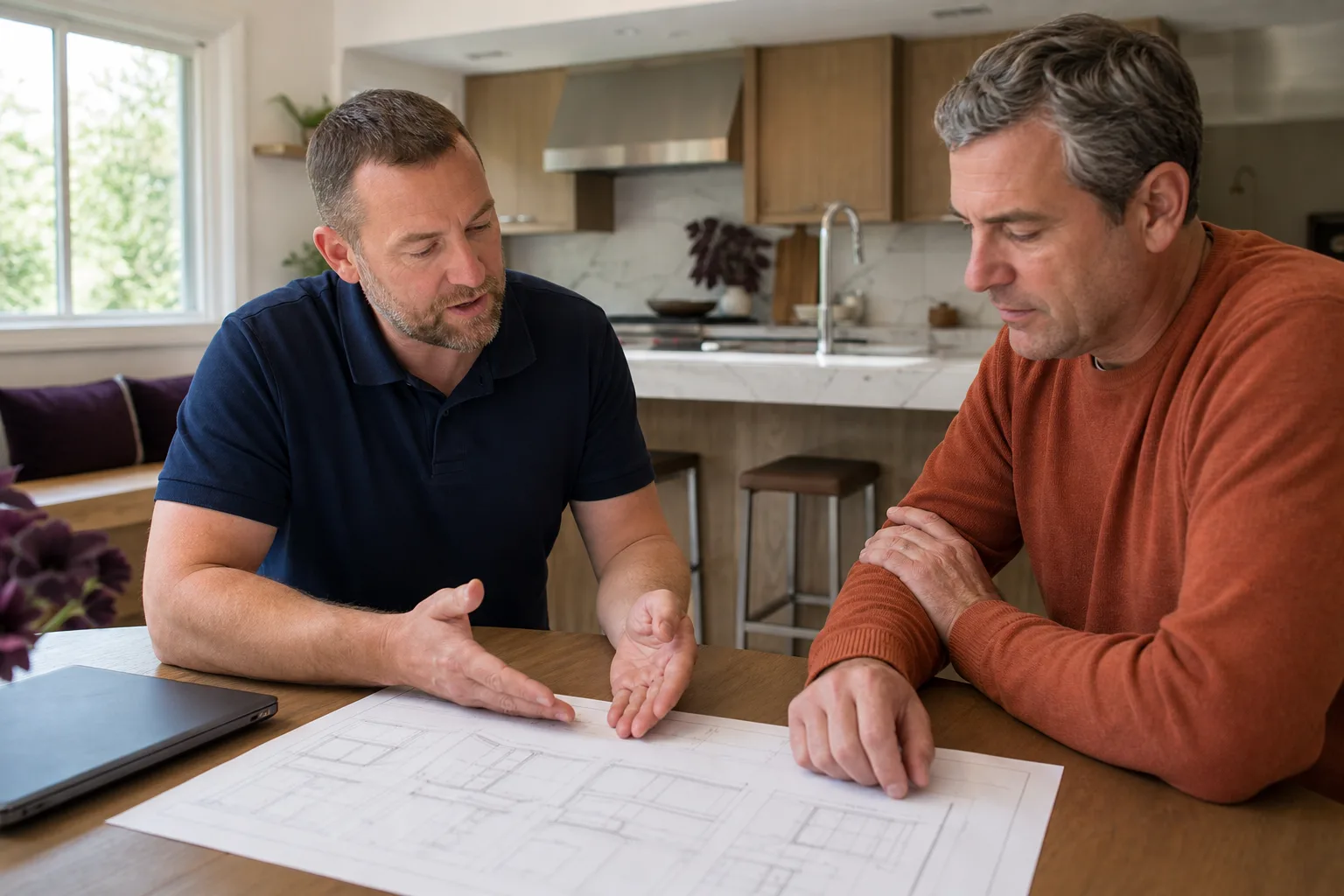
Full design and permitting for a new ADU runs $8,000 to $18,000 with Lodgewick. That includes measured as-builts, architectural drawings, structural engineering, Title 24 energy calculations, and plan-check submittal to the City of Sacramento or your county’s building department. We pull the permit, we track the corrections, we get the job finaled. The price is written before any work starts, and it doesn’t change at the door. If the permit corrections require re-engineering, that cost is identified before we submit, not after.
DIY or Call Us?
You can check a few things yourself. Walk the ADU perimeter and look at the bottom edge of your Hardie plank. It should sit 6 inches above grade. Look at the butt joints: you should see a visible gap, not boards butted tight together. Run a hose at the corners and watch if water beads and runs off or soaks in. Those observations will tell you what you’re dealing with before anyone quotes you a number.
What you shouldn’t do is pull off failed Hardie plank and re-install it without understanding the flashing sequence. Hardie siding isn’t dangerous like a garage spring, but the failure mode is invisible: water gets behind the board, rots the sheathing, and you don’t know until the wall feels soft from inside. A repair that looks fine from the street can be a $6,000 wall rebuild three years later. If you’re standing in front of a failed seam or a permit correction notice and you want someone who answers the phone, call (279) 256-1973 and we’ll come take a look.
FAQs
James Hardie fiber cement siding carries a 30-year non-prorated product warranty, but the real-world lifespan in Sacramento depends entirely on installation. Correctly installed with proper flashing and the climate-zone clearances for our region, it should last 30 to 50 years. Installed with tight joints or missing flashing, the seams can start failing in two to three Sacramento winters. Call (279) 256-1973 and we’ll tell you honestly which situation you’re in.
Sometimes. A single cracked Hardie plank can be replaced without re-siding the whole wall, as long as the sheathing behind it is dry and solid. Failed trim boards are straightforward to swap. But if the failure is systemic, meaning joints were installed tight or the flashing was never there, you’ll chase repairs forever. We’ll remove one board, show you what’s behind it, and give you a straight answer. Estimates are free.
A typical re-side of a 400-square-foot ADU takes our crew three to five working days, weather dependent. A full design and permitting package takes 8 to 16 weeks from first measurement to permit issuance, depending on the City of Sacramento’s plan-check volume and how fast your specific department processes corrections. We submit, we track, we follow up. You don’t have to log into a portal to find out what’s happening. Call (279) 256-1973 for a timeline specific to your lot.
We keep standard HardiePlank lap siding, HardiePanel, and HardieTrim in stock for common Sacramento ADU sizes and profiles. Specialty colors usually come from our supplier in three to five business days. If you need a board matched to an existing color, bring us a photo and we’ll tell you the exact product name before you buy anything. The written price includes materials, and you’ll see every line item before work starts.
Written by Russ Delmar, Owner, Lodgewick ADU Sacramento at Lodgewick ADU Sacramento, serving Sacramento and nearby areas.