James Hardie Site Prep & Utilities: The Sacramento Owner’s Guide
Site prep and utility work for a James Hardie-sided ADU in Sacramento typically runs $3,800 to $14,500, depending on trenching depth, soil conditions, and how far your utility connections sit from the main lines. We stock the common components on our trucks and can usually match the right James Hardie-compatible trim, flashing, and penetration hardware same-day. Most Sacramento homeowners discover the problem when water stains appear at the base of an exterior wall, when a hose bib or electrical conduit pokes through siding that’s pulling away from the sheathing, or when the dirt around a newly trenched utility line settles and shifts the wall plane.
James Hardie siding is only as good as what sits behind it and around it. Where the siding meets grade, where pipes and wires pass through, where drip edges terminate: that’s where site prep and utility work earns its keep. We’ve fixed enough botched penetrations in Sacramento’s older neighborhoods to know that this part of the job doesn’t get a second chance once the siding is up.
Which James Hardie Models This Applies To
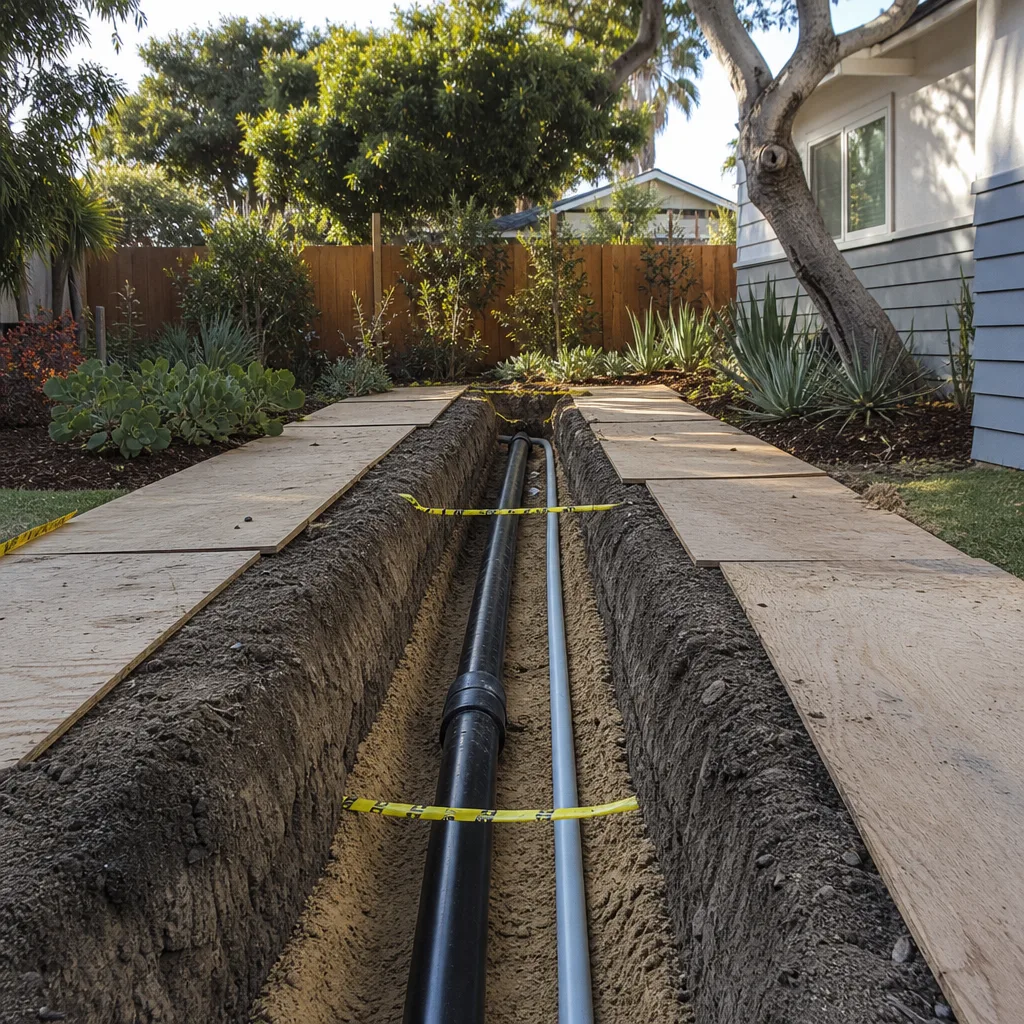
Site prep and utility work applies to every James Hardie siding product we install or repair: HardiePlank lap siding, HardiePanel vertical siding, HardieShingle, and HardieTrim boards. The compatibility gotcha most Sacramento homeowners run into is that James Hardie fiber cement moves differently than wood or vinyl. It expands and contracts less, which sounds like a benefit, but it means your flashings and sealants need to be sized for that low-movement profile. If someone prepped your site using standard vinyl-siding tolerances, the gaps close up wrong and the caulk fails early.
For replacement parts, the decision usually comes down to OEM HardieTrim and HardieWrap versus quality aftermarket equivalents. We use genuine James Hardie trim and flashing anywhere the product is visible or load-bearing. For internal components like electrical box extenders, pipe boots, and sill gaskets, we’ll use proven aftermarket parts when they meet the same spec, because they cost less and last just as long. Where we won’t compromise is on the moisture barrier behind the siding: you want HardieWrap or an equivalent WRB rated for fiber cement, not builder paper that Sacramento’s wet winters will turn into mush.
Signs Your James Hardie Site Prep & Utilities Is Failing
- Wicking stains at the bottom edge of siding. This means your siding is too close to grade or the rain-screen gap is clogged. Sacramento code wants 6 inches of clearance between Hardie siding and soil, but plenty of older installs sit at 2 or 3. Water climbs, the bottom course swells, and the paint or ColorPlus finish starts to bubble.
- Caulk cracking around any penetration: hose bibs, electrical outlets, conduit. Fiber cement doesn’t flex, so all the movement at a penetration gets absorbed by the sealant. When the sealant fails, water follows the pipe or wire straight into your wall cavity. We see this most often on Sacramento homes built before 2005.
- Soil settlement or washout near the foundation. Utility trenches that weren’t compacted properly settle, and Sacramento’s dry-summer, wet-winter cycle accelerates that. The ground drops an inch, your drainage plane tilts toward the wall, and the next rain pushes water where you don’t want it.
- Gaps opening between siding courses or at corners. If the original site prep didn’t account for Sacramento’s expansive clay soils, the foundation or subgrade moves and the siding opens up. James Hardie boards don’t warp to hide it the way wood does. They just gap.
- Rust stains running down from a flashing or drip edge. Someone installed a galvanized or non-rated metal flashing in a spot that sees standing water, and it’s corroding. James Hardie’s installation spec calls for specific flashing metals, and the wrong choice fails visibly within a few Sacramento winters.
Replacement Cost & What’s Included
In the Sacramento market, plan on the following installed ranges:
- Basic utility penetration and flashing repair: $3,800 to $6,400, covering one or two penetrations, new flashings, and resealing around the work.
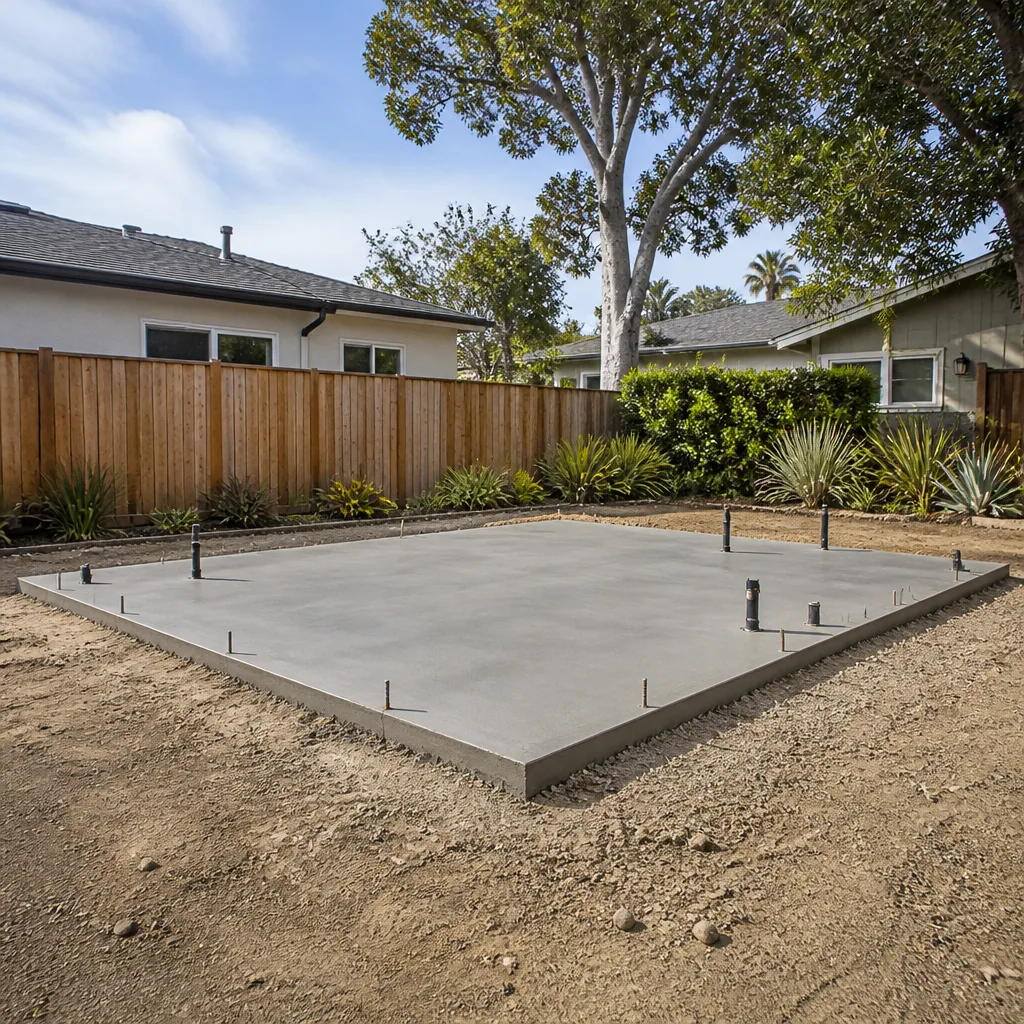
- Mid-range site prep correction: $6,500 to $9,800, covering regrading a short run, fixing drainage, replacing flashing and trim, and re-establishing proper clearances.
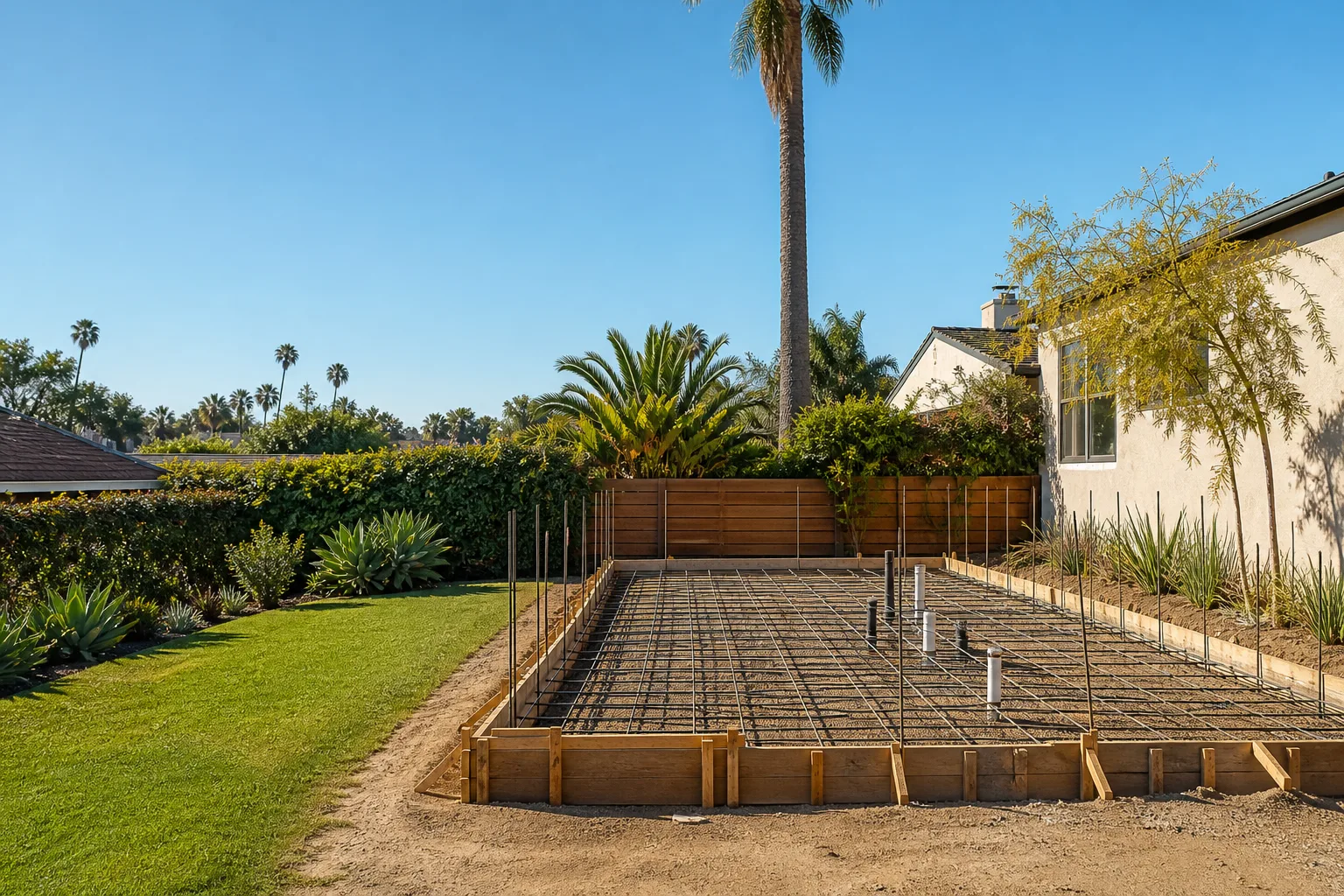
- Full exterior utility re-run and siding reset: $9,800 to $14,500, where we’re pulling the bottom courses of siding, re-trenching for utility lines, fixing subgrade, and reinstalling Hardie to spec.
What drives the range? Trenching access, the number of penetrations, and whether your existing subgrade was ever compacted correctly. Clay soil in Citrus Heights compacts differently than the loam you find in East Sacramento, and that affects how long the job takes. Every quote includes parts, labor, and the required permits where the scope calls for them. Our work carries the 365-Day Done Right Promise: if the repair fails within the year, we come back and fix it free. The written price you get is the written price you pay; no change orders show up at the door.
DIY or Call Us?
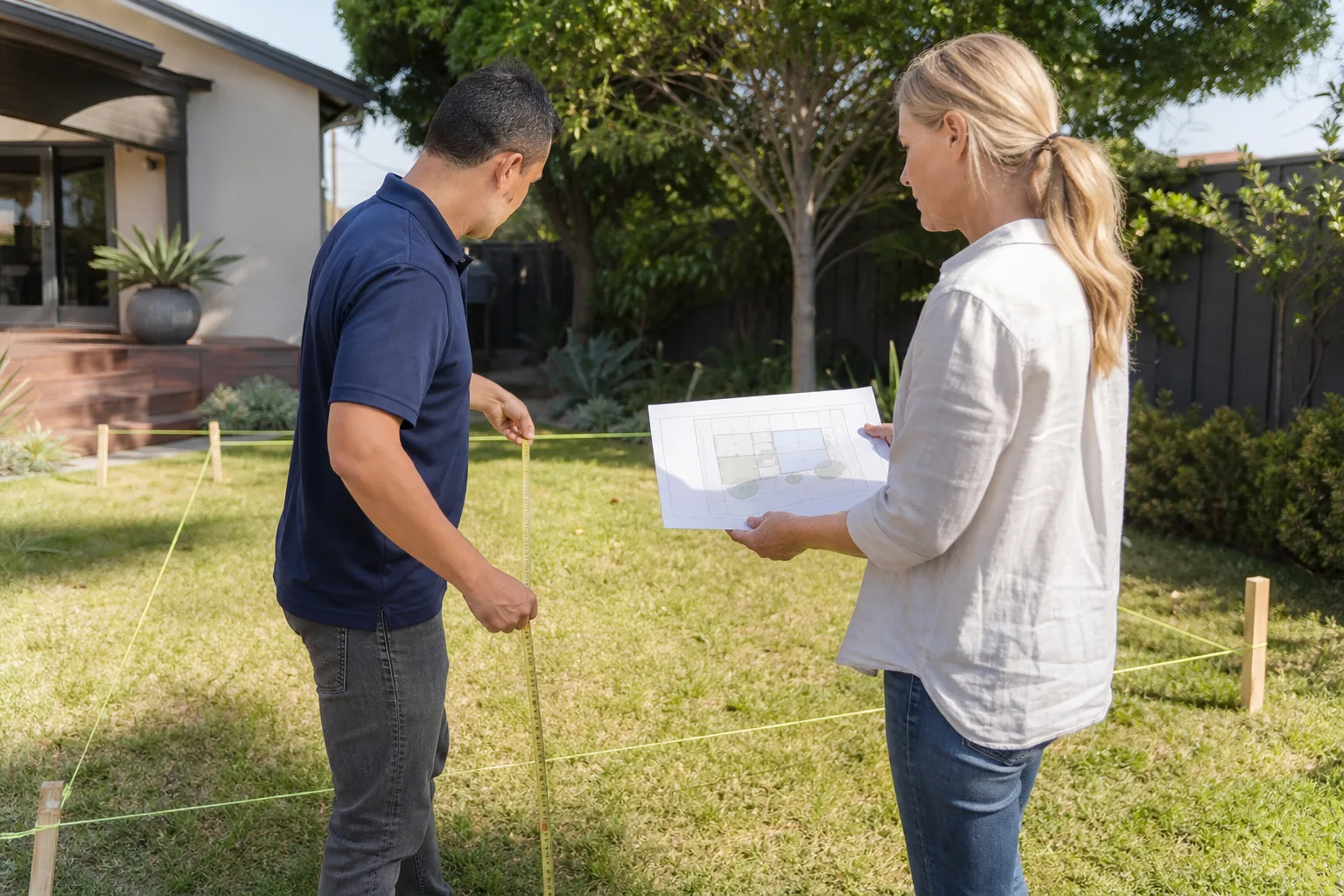
You can safely inspect the bottom edge of your siding, check caulk joints with a flashlight, and watch where water puddles after a rain. That part is worth doing and it costs you nothing. What you shouldn’t DIY is anything involving trenching, gas or electrical lines, or re-flashing a wall penetration. Cutting into a wall to replace a pipe boot without knowing where the wires run is a fast way to earn a hospital bill or a re-inspection. Sacramento also requires permits for utility re-runs, and unpermitted work becomes a problem when it’s time to sell the place.
If you’re seeing water stains, failing caulk, or settled dirt pulling your siding out of plane, call us at (279) 256-1973. Russ Delmar will walk the site with you and tell you what’s actually going on, including the parts where you don’t need us at all. Done right means done once.
FAQs
Properly done site prep and utility work behind James Hardie siding should last 15 to 25 years in Sacramento’s climate before the flashings and sealants need attention. What shortens that life is water contact from bad grading or clogged drainage, so the ground around your foundation is as much a part of the system as the siding itself. Was your utility run installed with the right clearances and compacted backfill? If not, call (279) 256-1973 and we’ll tell you what it needs to get back to a 15-year baseline.
It depends on what failed. A caulk joint can be re-sealed. A corroded flashing should be replaced, because patching a rusting piece just moves the leak to a new spot. The fastest way to know is a visual check, and we’ll do that as part of a free estimate. Call (279) 256-1973 to schedule a walk-through.
Most single-penetration fixes and flashing replacements are done in one day. Full utility re-runs with trenching and siding resets take three to five working days, depending on inspection scheduling and soil conditions. We give you a defined arrival window and a clean job site at the end of every day, in writing, before we start.
Yes. We keep HardieTrim, flashing grades that match James Hardie’s install spec, pipe boots, and sill gaskets in our Sacramento stock, so most repair calls don’t require a second trip. Remote or unusual sizes get ordered and in hand before we schedule the crew. Call (279) 256-1973 with your siding product name and we’ll confirm availability on the spot.
Written by Russ Delmar, Owner, Lodgewick ADU Sacramento at Lodgewick ADU Sacramento, serving Sacramento and nearby areas.